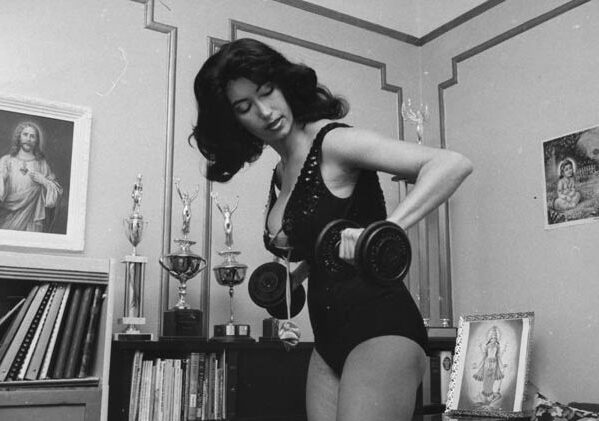
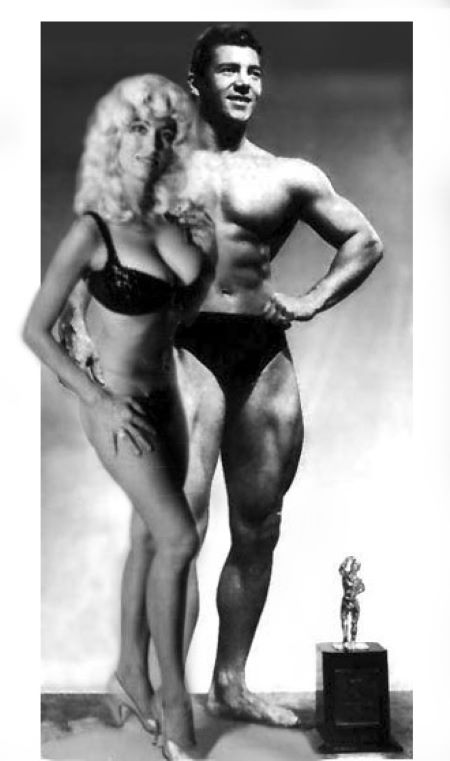
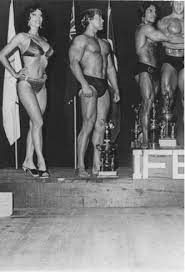
In 1979 Kellie Everts was the first female body building on national TV Show “Real People” – behind her some of her IFBB Miss Americana and WBBG Miss Body Beautiful trophies
Image owned by Kellie Everts, taken 1979, New York. Permission free, placed in the public domaine.
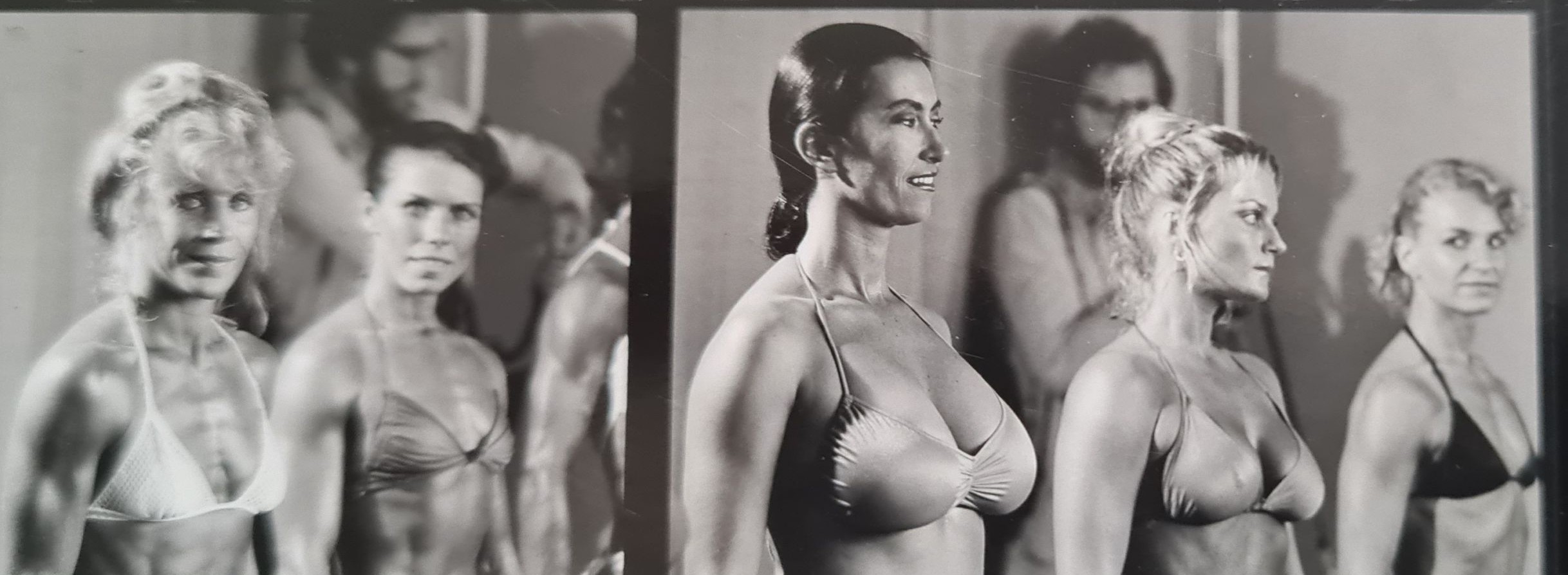
Above – Historic Miss Olympia 1980 images recently acquired (2025) – never before published: Left to right, Auby Paulick 2nd place, Lynn Conkwright, 3rd place and next Kellie Everts – the Progenitor was there!
Copyright has been given to Kellie Everts by Dr. Juan Carlos Cassano. historian. She gives it permission free to the public.
In 1980, the first Ms. Olympia (initially known as the “Miss” Olympia), the most prestigious contest for professional female bodybuilders, was held. Initially, the contest was promoted by George Snyder. The contestants had to send in resumes and pictures and were hand-picked by Snyder based on their potential to be fitness role models for the average American woman. {from “Female Body Building – Wikipedia”}
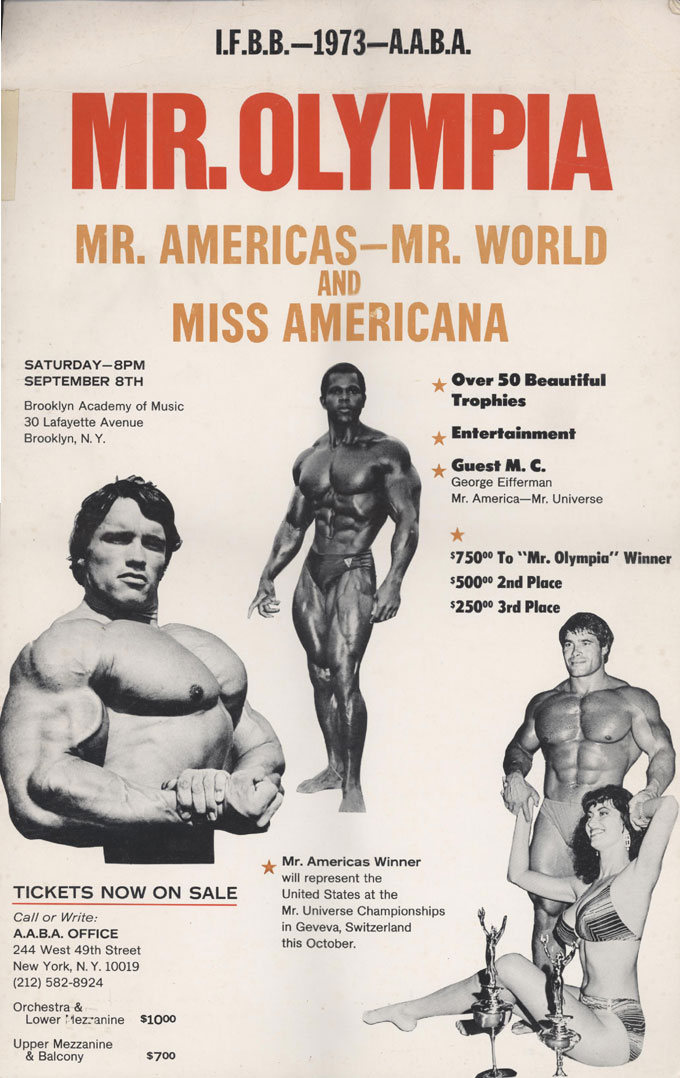
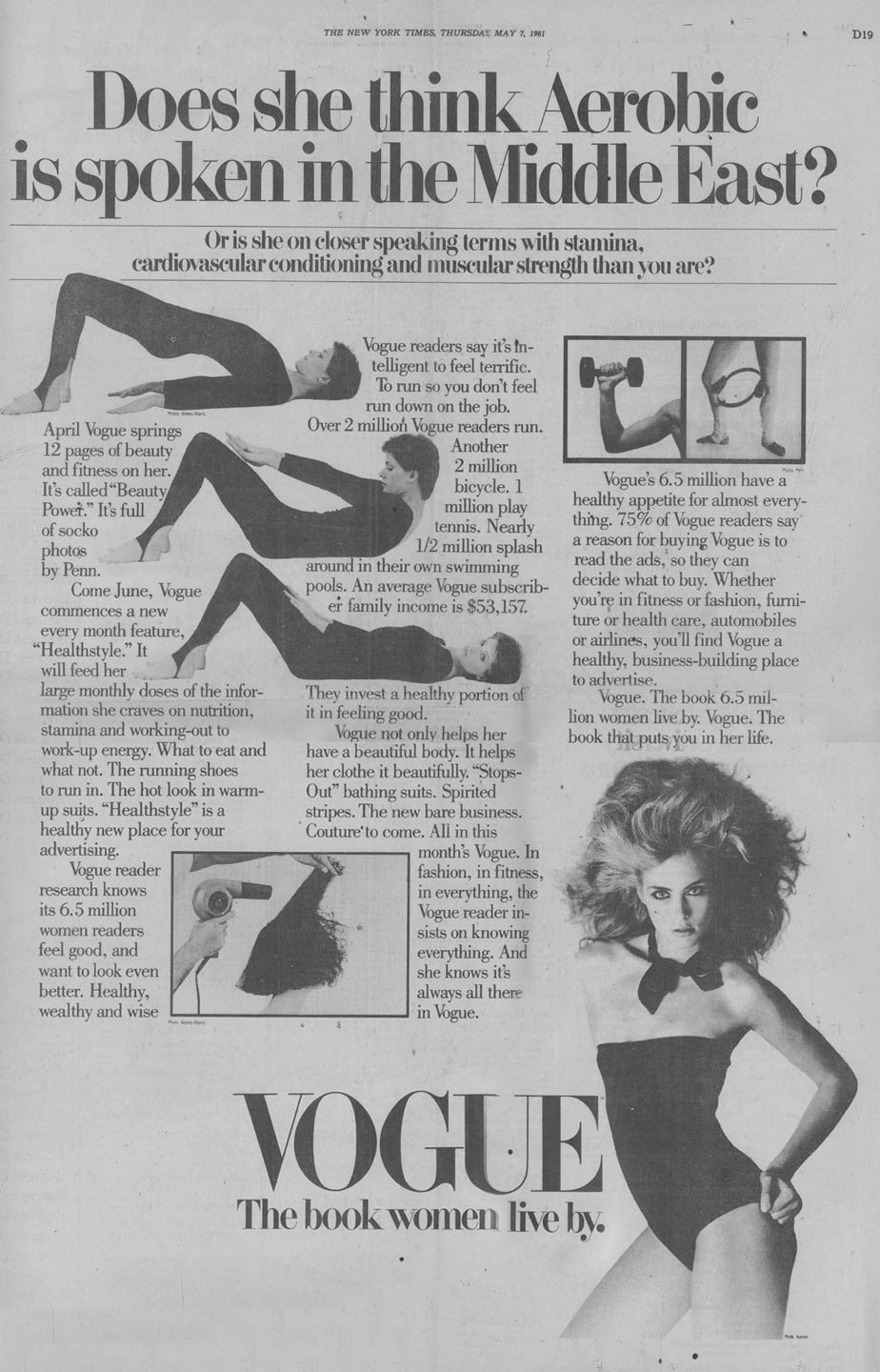
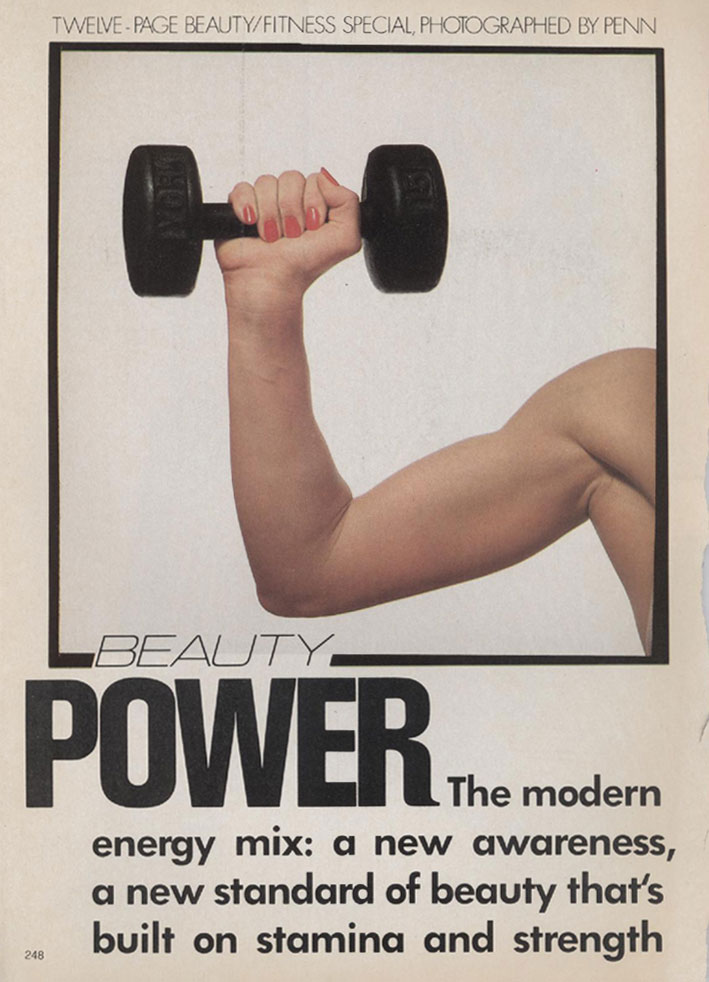
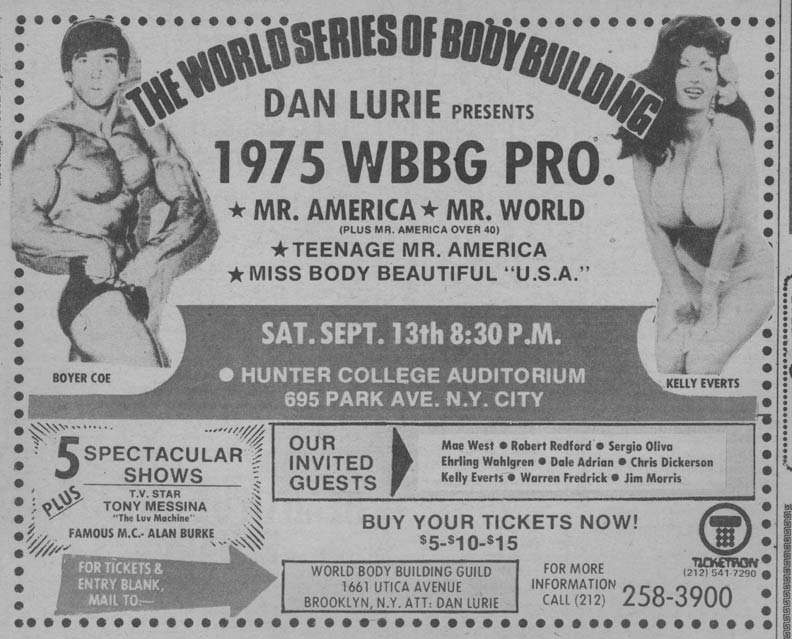
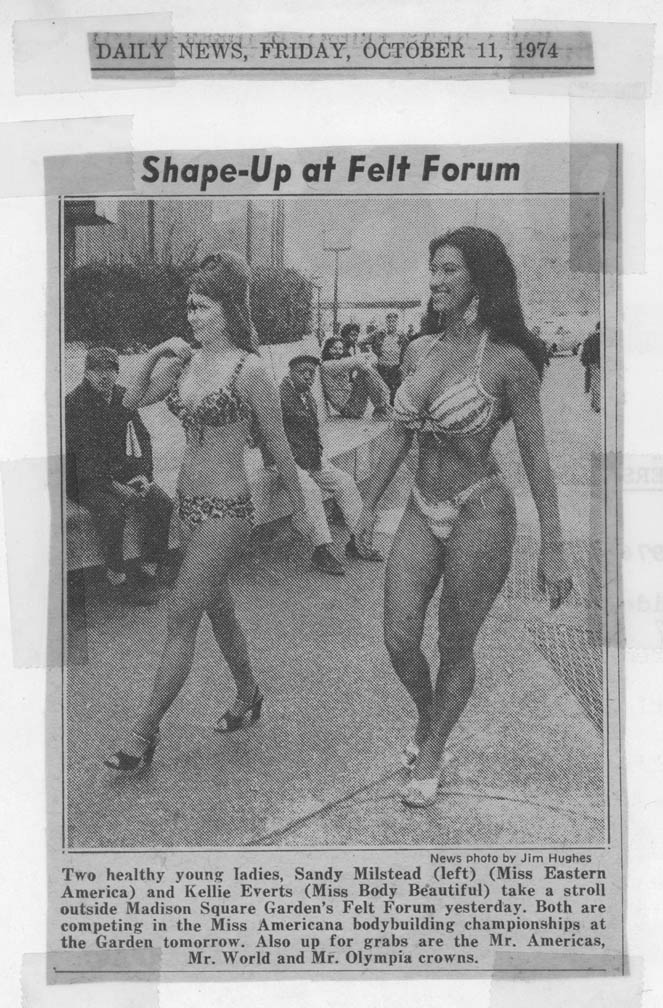
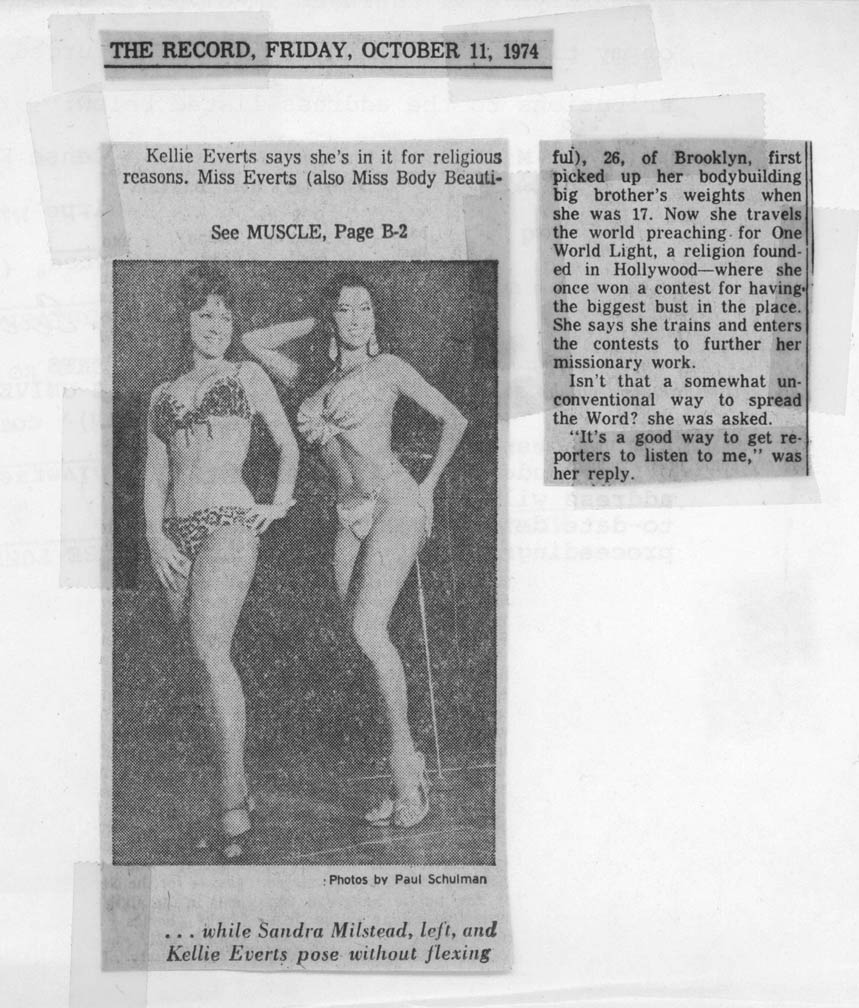
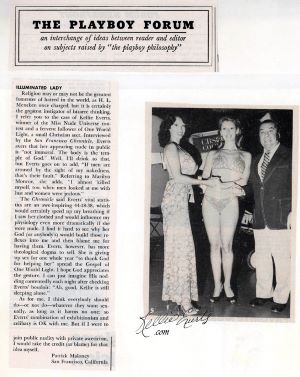
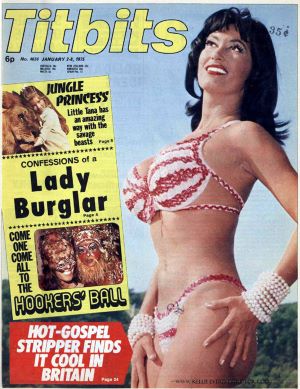
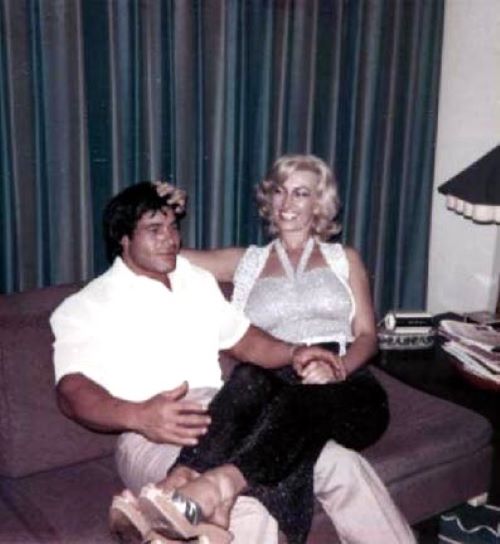
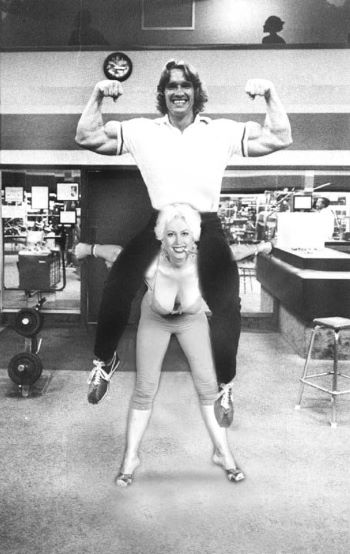
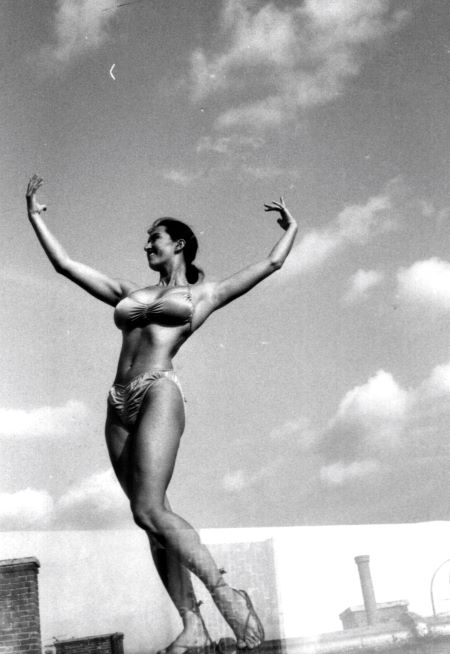
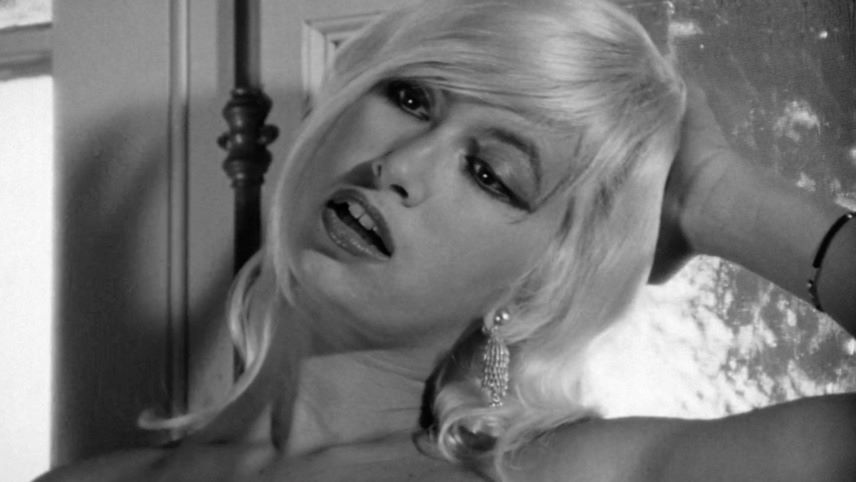
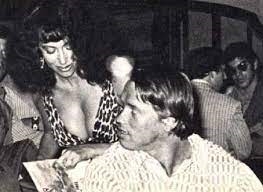
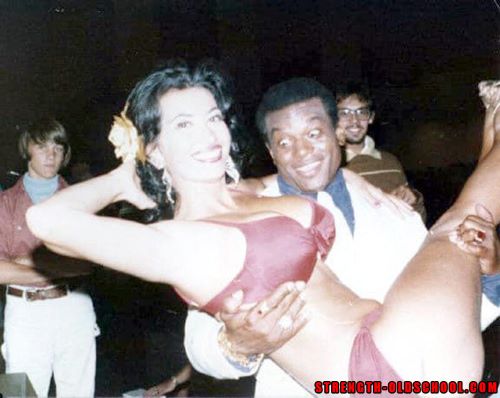
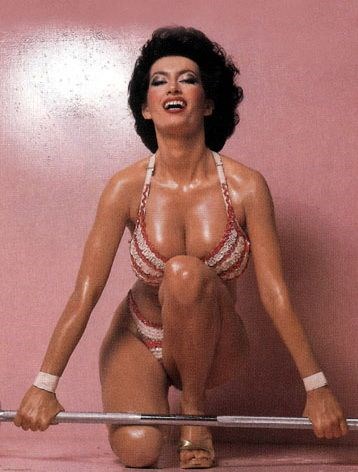
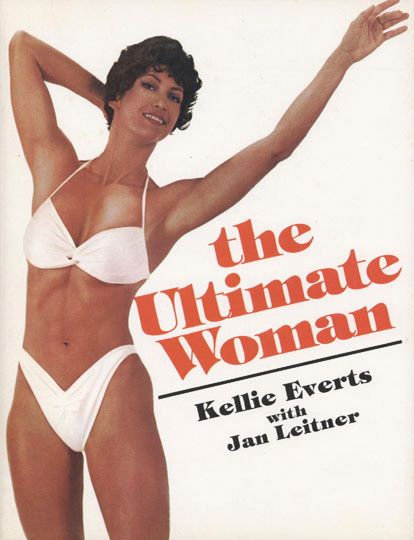
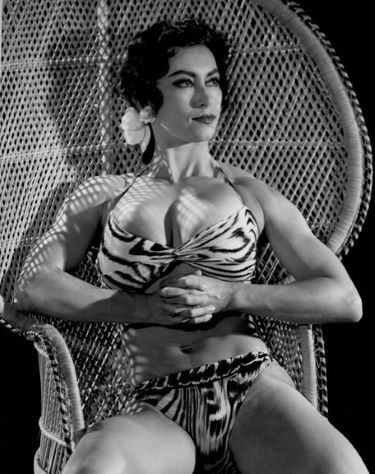
Below: Kellie Everts on posters with Arnold & Franco & featured in VOGUE magazine & New York Times, the ad, in 1980…also national & international articles in the 70’s! Esquire, July 1975, France’s Elle, Playboy May 1977 – this all happened BEFORE the official establishment of female body building – Kellie GOT IT STARTED!
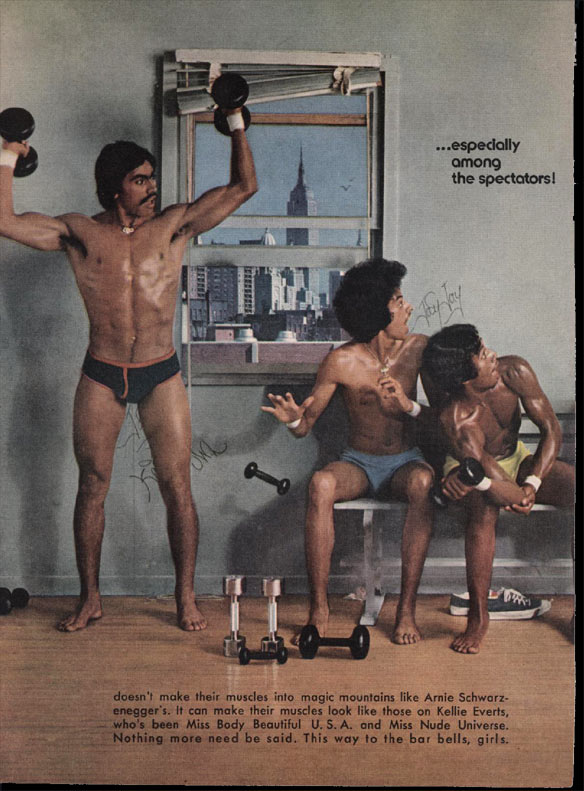
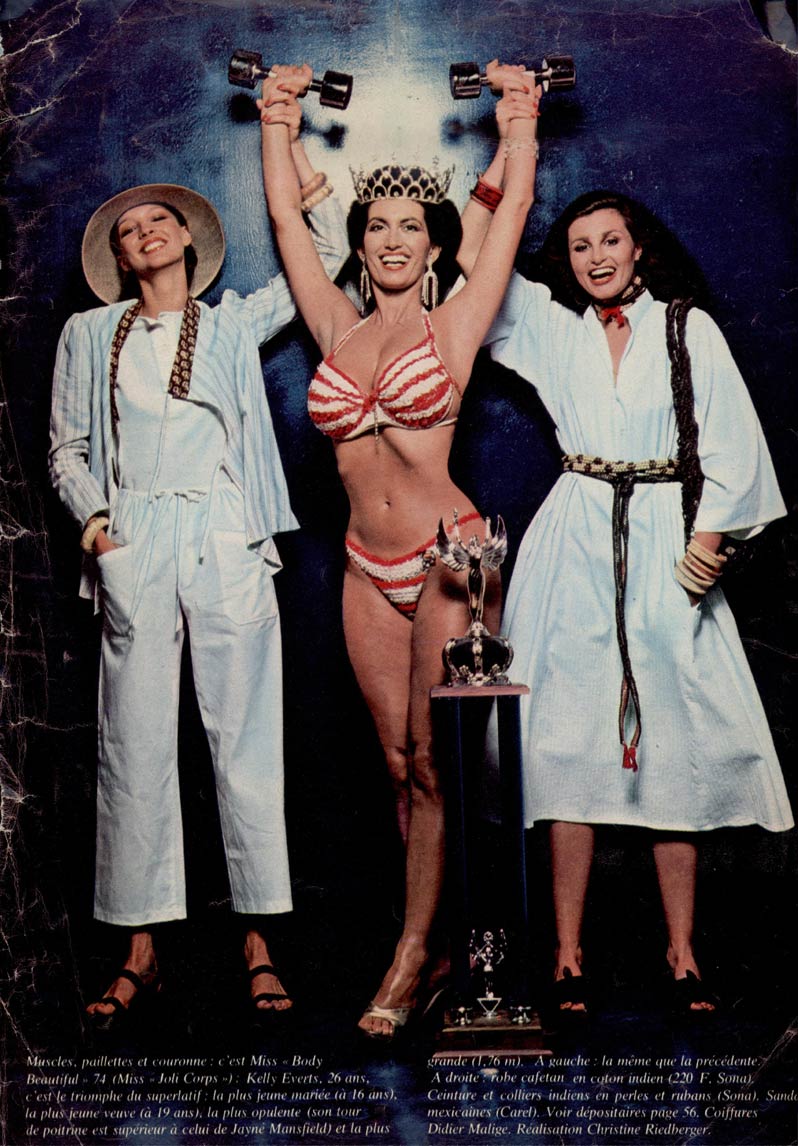
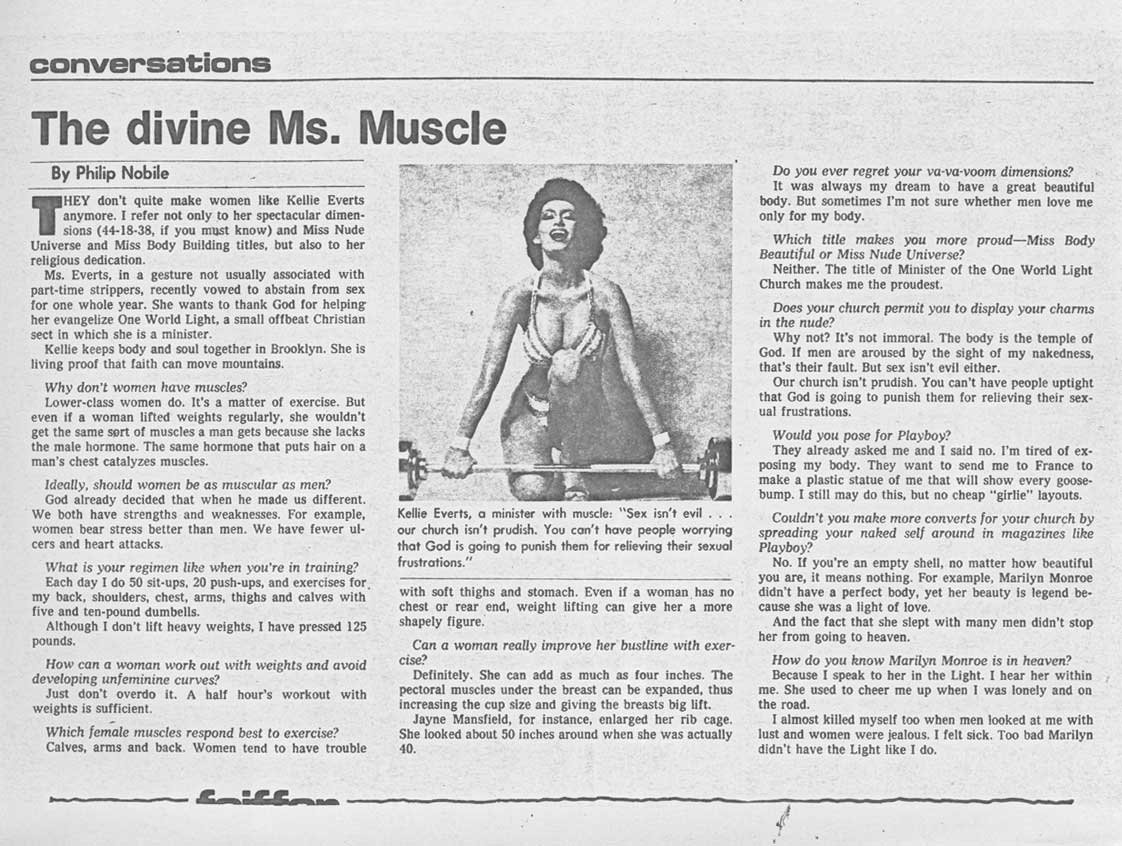
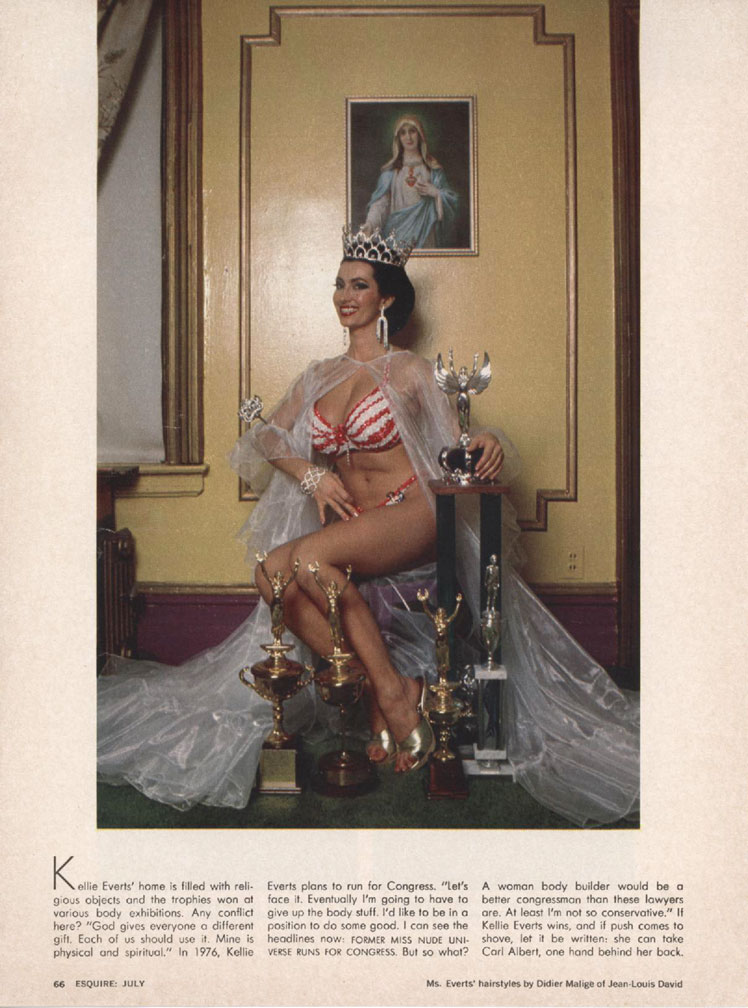
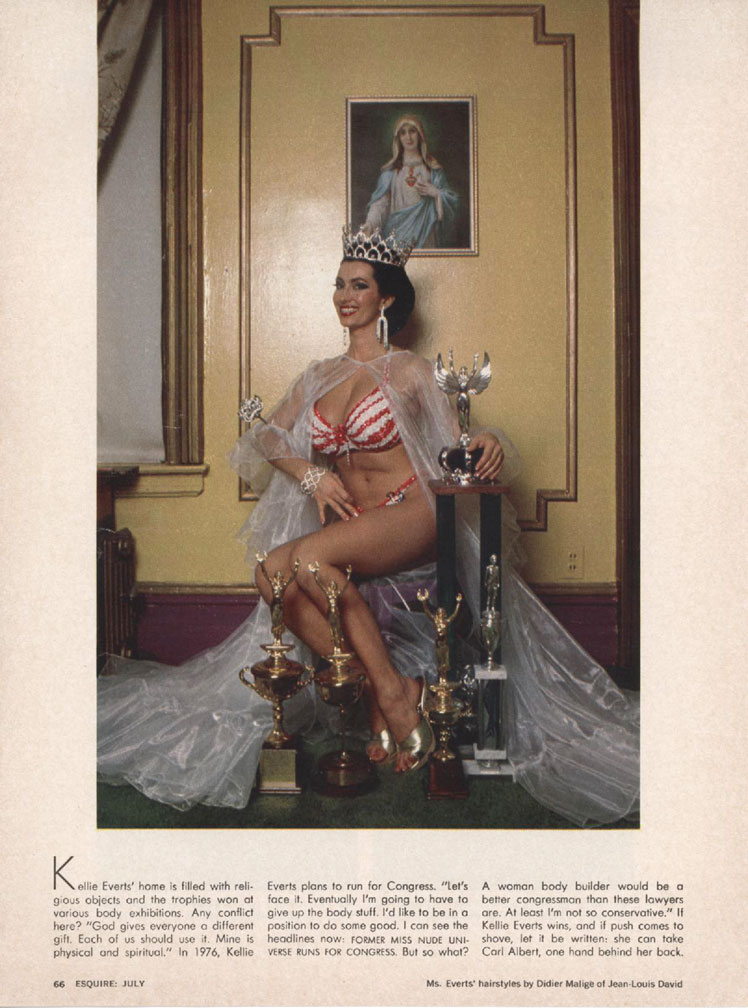
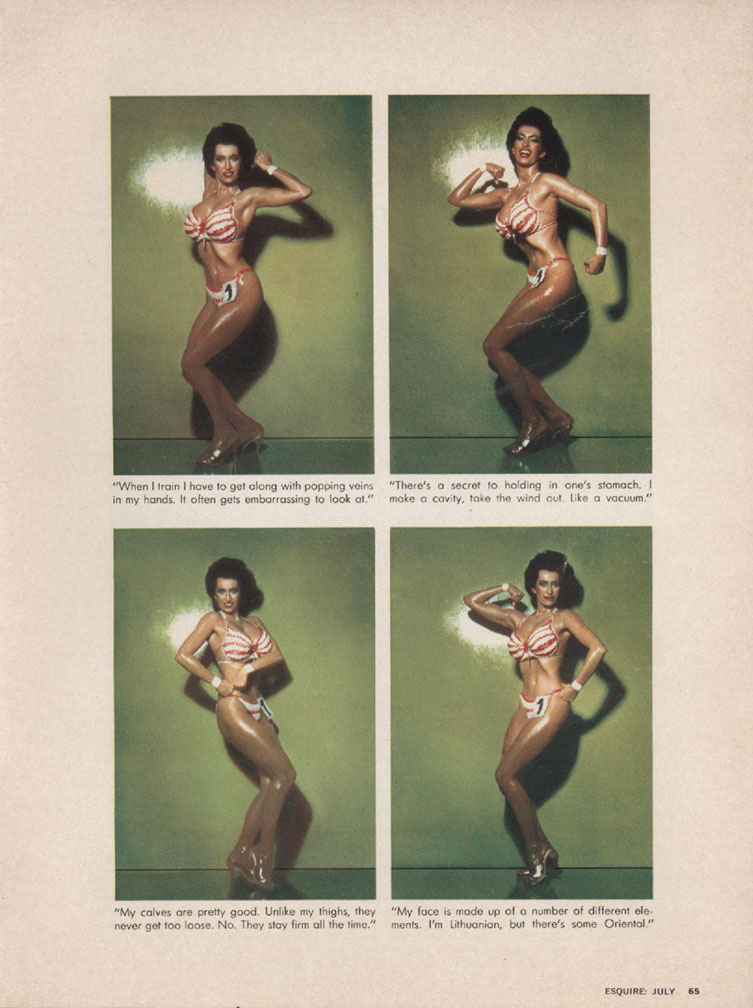
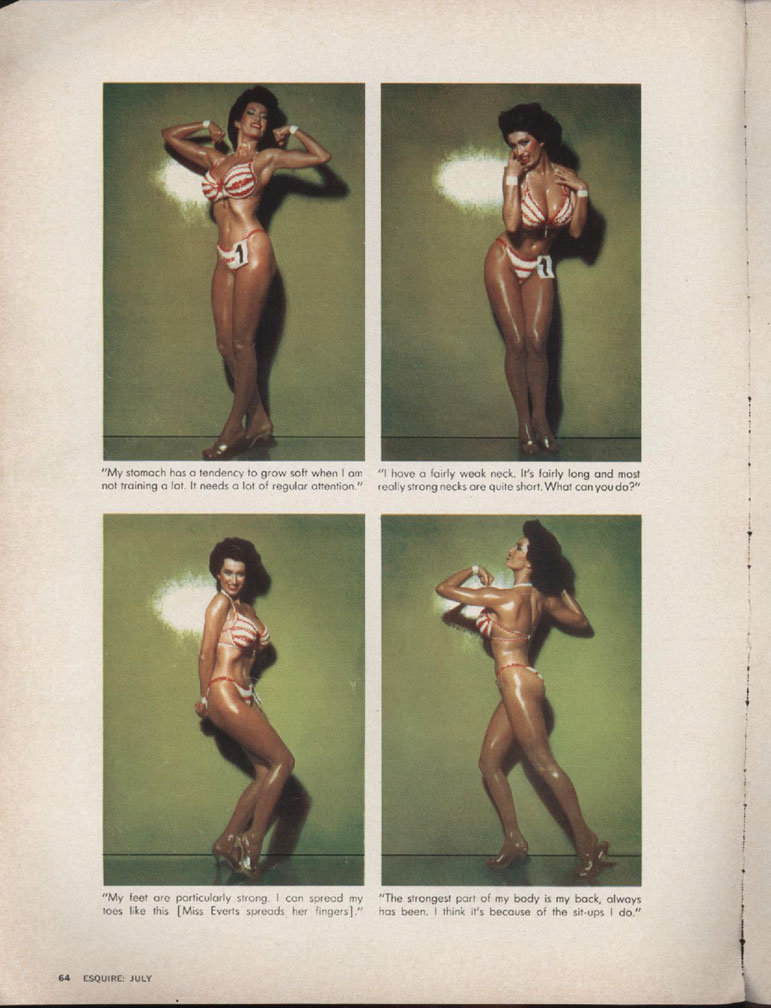
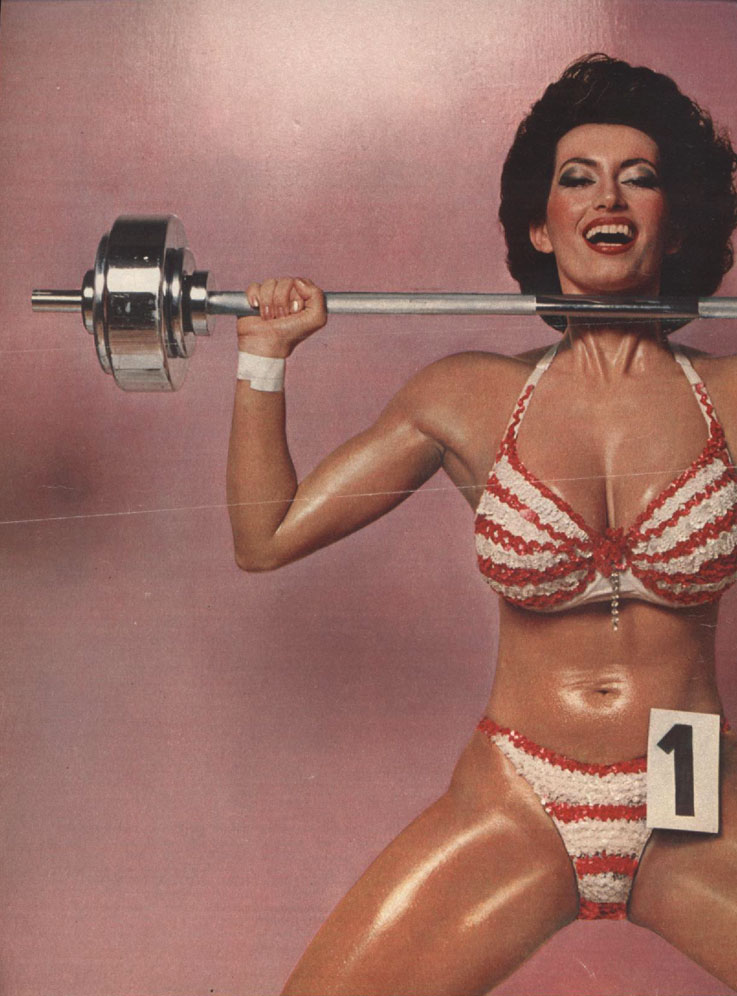
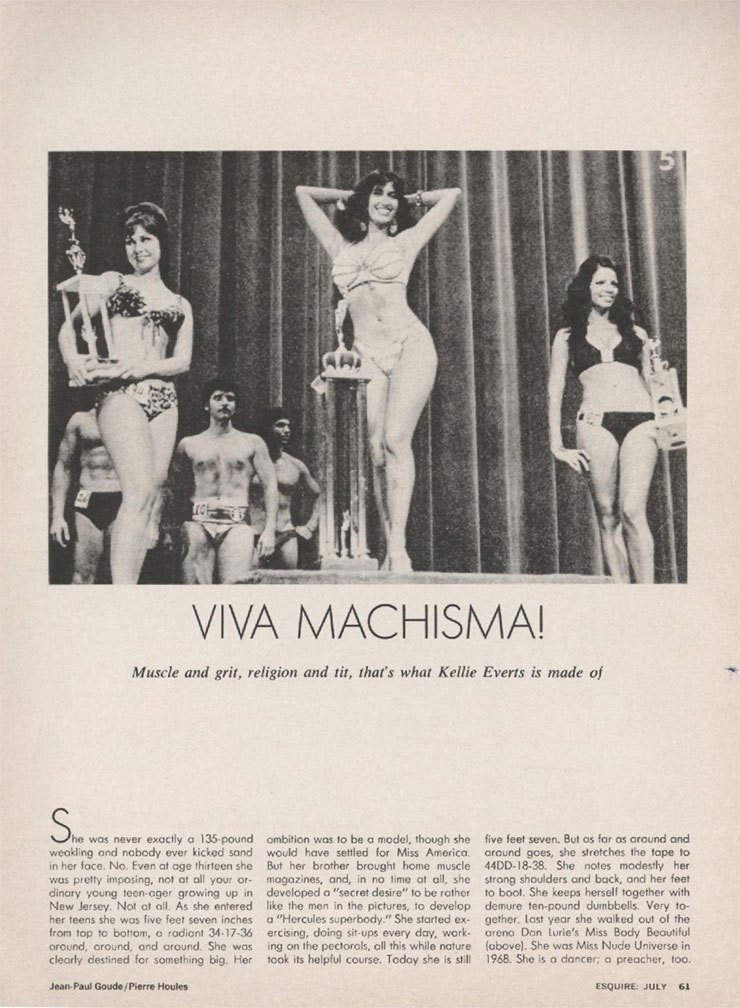
From Google Aug 1 2025
Female bodybuilding, as it exists today, emerged in the late 1970s. While earlier pioneers like Abbye “Pudgy” Stockton showcased women’s strength in the 1940s, it was in the late 70s that organized competitions focused on aesthetics and muscular development took hold.
The feminist movement and its role
The rise of female bodybuilding during the late 1970s coincided with the growth of the feminist movement. There is no simple one-to-one causation. Rather, the feminist movement helped create a more receptive environment for women to challenge traditional gender roles and pursue activities previously considered masculine, like bodybuilding.
Specifically:
- Breaking Stereotypes: Feminism championed the idea of women’s physical strength and competence, challenging the societal expectation that women should be physically weaker or prioritize traditional femininity over strength and athleticism.
- Shifting Perceptions: The broader cultural shift driven by feminism helped pave the way for a more open discussion and acceptance of women’s participation in sports and activities that emphasized strength and physicality.
- Advocacy and Empowerment: Feminist ideals around self-empowerment and reclaiming control over one’s body likely resonated with women who sought to express themselves through bodybuilding and redefine what a feminine physique could be.
Kellie Everts’s pivotal role
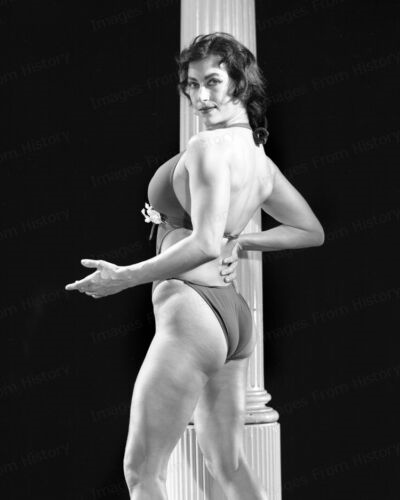
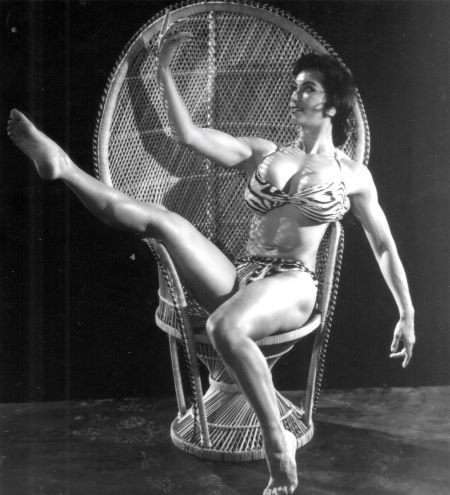
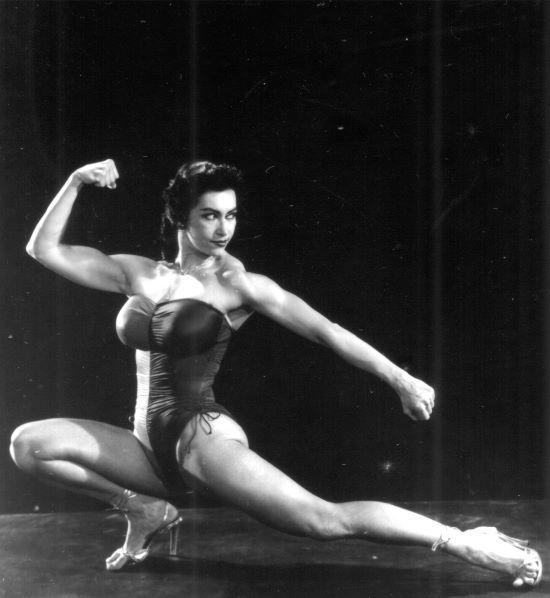
Within this context, Kellie Everts (also known as Rasa Von Werder) played a significant role in bringing female bodybuilding into the mainstream. She wasn’t simply a model, but a passionate advocate who actively promoted the sport. Her key contributions included:
- Media Visibility: Everts secured a six-page spread in Esquire magazine in 1975, followed by features on national television shows and in Playboy magazine in 1977. These exposures helped raise awareness about women lifting weights and opened the door for broader public discussion and interest in female bodybuilding.
- Catalyst for Competitions: Her work and the media frenzy it generated played a role in prompting the first serious female bodybuilding contests, including the Ohio Regional Women’s Physique Championship in 1977 and the IFBB Ms. Fitness in 1979.
- Pioneering Figure: Everts is recognized as the “Progenitor of Female Body Building” by the World Body Building Guild for her efforts in initiating the modern competitive female bodybuilding movement.
- In conclusion
While the feminist movement provided a crucial backdrop for the emergence of female bodybuilding by challenging gender norms and promoting female empowerment, Kellie Everts played a direct and instrumental role in bringing the sport to a broader audience and catalyzing the first competitions through her persistent promotion and media appearances. She wasn’t just a model, but a driving force who actively shaped the early development and visibility of female bodybuilding, capitalizing on the changing social landscape to establish it as a viable athletic pursuit for women.
Kellie Everts and the early days of female bodybuilding
- Everts’ influence: Kellie Everts (also known as Rasa von Werder), through her participation in contests, advocacy, and media appearances (including a Playboy spread and TV shows), helped popularize female bodybuilding and bring it to a wider audience, according to Wikipedia.
- Modeling and activism: Everts’ impact went beyond modeling, as she actively promoted the idea of female strength and worked to normalize female bodybuilding at a time when it was not widely accepted. She can be considered a key figure in the mainstreaming of female bodybuilding.
- Pioneers and progenitors: While women have engaged in strength training and physical culture for a long time (like Abbye “Pudgy” Stockton in the 1940s-50s), notes the TrainHeroic blog, Everts is credited by some with taking female bodybuilding into the national and international spotlight and fostering the environment for competitive female bodybuilding to take off.
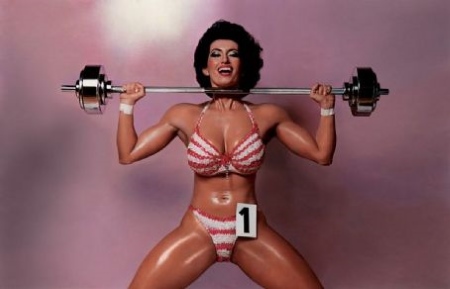
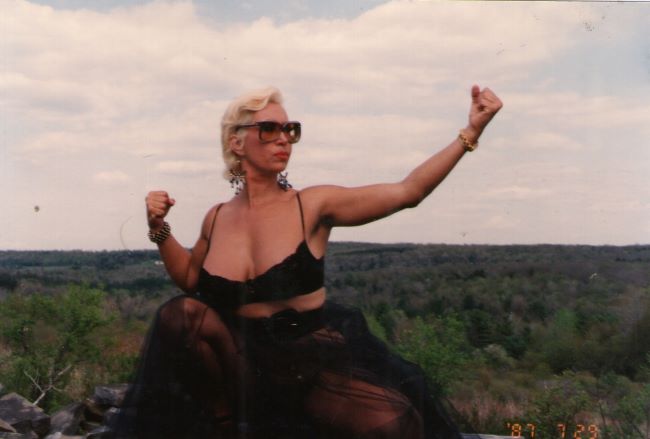
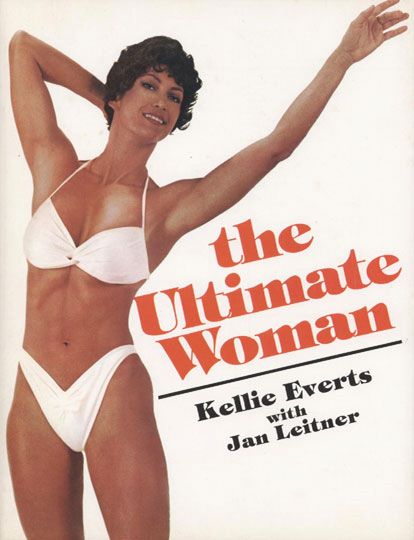
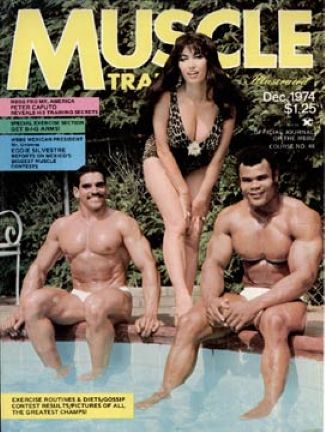
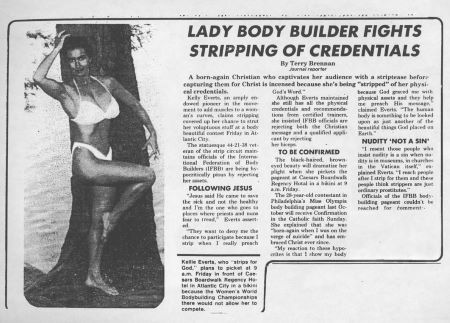
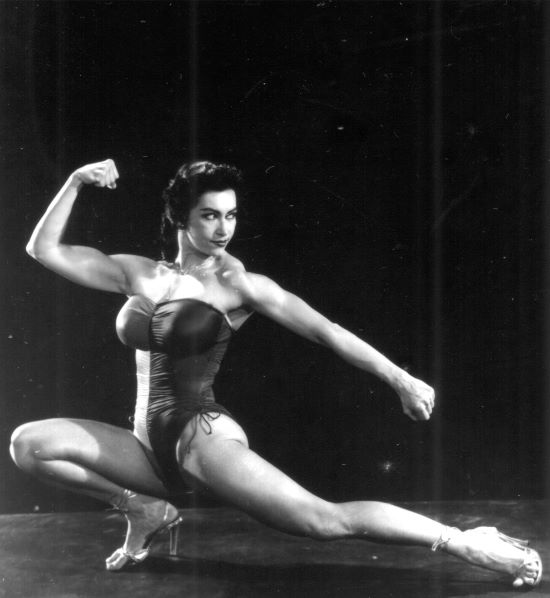
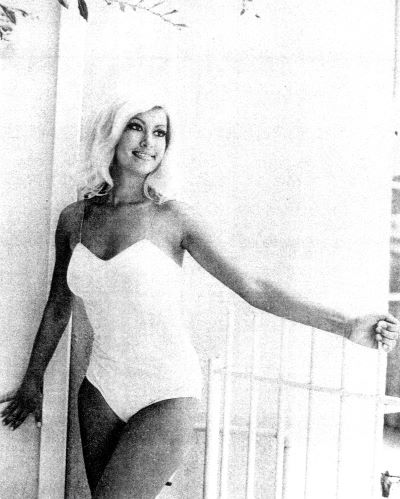
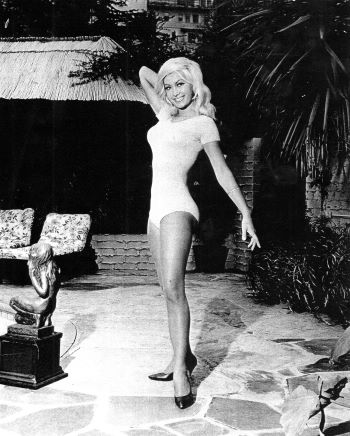
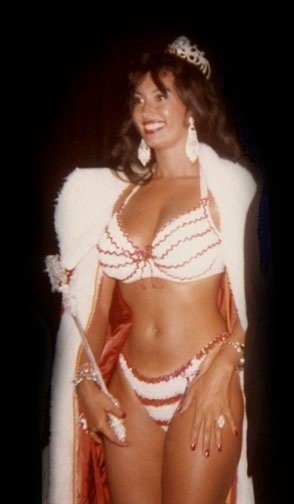
In essence, while Everts was a prominent figure who utilized media platforms to showcase female strength and bodybuilding, the broader feminist movement played a crucial role in shaping the societal attitudes and creating the space for this emergence to occur.Kellie Everts’ role
- Kellie Everts is recognized by some sources as a pivotal figure in popularizing female bodybuilding.
- She gained significant media attention, appearing in Esquire magazine, on television shows like “To Tell the Truth” and “The Mike Douglas Show”, and prominently in Playboy magazine’s “Humping Iron” pictorial in May 1977.
- These mainstream media appearances helped expose female bodybuilding to a wider audience, moving it from a niche interest to a national/international phenomenon.
Conclusion
While the feminist movement provided a crucial foundation by promoting women’s rights and opportunities in all fields, Kellie Everts’ media visibility and willingness to challenge norms played a significant role in bringing female bodybuilding into the mainstream and paving the way for the organized competitions that followed. Her role was not merely as a model, but as a critical figure who helped break down barriers and change perceptions of women’s bodies and strength.
Kellie Everts and Lisa Lyon
In terms of launching the popularity of female bodybuilding, particularly in gaining mainstream recognition, Kellie Everts and Lisa Lyon both played significant, albeit distinct, roles in the late 1970s and early 1980s.
- Kellie Everts is widely recognized as the “Progenitor of Female Bodybuilding” by the World Body Building Guild (WBBG), being honored as the woman who got modern competitive female bodybuilding started. She actively promoted the concept of female bodybuilding to mainstream media. Her work included a six-page spread in Esquire magazine in July 1975, appearances on national television shows like To Tell the Truth and The Mike Douglas Show, and featuring female bodybuilding in Playboy magazine in May 1977. These efforts helped bring the idea of women lifting weights and developing muscle to a national and international audience, challenging the prevailing notion that bodybuilding was exclusively a male domain. The first official female bodybuilding competition, held in Canton, Ohio in November 1977, followed Everts’ Playboy appearance by six months.
- Lisa Lyon further amplified the visibility of female bodybuilding, especially after winning the first-ever International Federation of Bodybuilding (IFBB) Women’s World Pro Bodybuilding Championship in 1979. Like Everts, she appeared in Playboy (1980), using the platform to introduce a broader audience to a different concept of femininity and strength, according to Numéro Magazine. Lyon’s physique also served as an inspiration for the Marvel Comics character Elektra, showcasing her influence beyond the sport itself. She was an eloquent spokeswoman, appearing on talk shows and in magazines, promoting the idea that strength and femininity could coexist. She was inducted into the IFBB Hall of Fame in 2000 for her contributions to the sport.
Comparison of influence
| Aspect of Influence | Kellie Everts | Lisa Lyon |
| Pioneering | Credited with being the “Progenitor” and bringing the concept of female bodybuilding to the mainstream media through initial features in Esquire and Playboy, and national TV appearances. | Won the first-ever IFBB Women’s World Pro Bodybuilding Championship in 1979. Became a prominent figure after this victory, promoting fitness for women. |
| Mainstream Media | Her early promotional efforts, including appearances in Esquire (1975), Playboy (1977), and TV shows, directly led to the first competitive female bodybuilding contests. | Further popularized female bodybuilding through her own Playboy feature (1980) and continued media appearances, advocating for the concept of femininity alongside strength. |
| Legacy/Recognition | Honored as the “Progenitor” of Female Bodybuilding by the WBBG. | Inducted into the IFBB Hall of Fame in 2000. Her physique inspired the comic book character Elektra, demonstrating a broader cultural impact. |
In essence, Kellie Everts was instrumental in breaking the ground for female bodybuilding in the mainstream consciousness, initiating the idea through various media channels. Lisa Lyon, following closely after, capitalized on this burgeoning interest with her competitive success and continued media presence, solidifying female bodybuilding as a recognized and inspiring endeavor for women. Both were vital in launching and promoting the sport, with Everts arguably laying the initial groundwork and Lyon building upon it to reach wider audiences.

