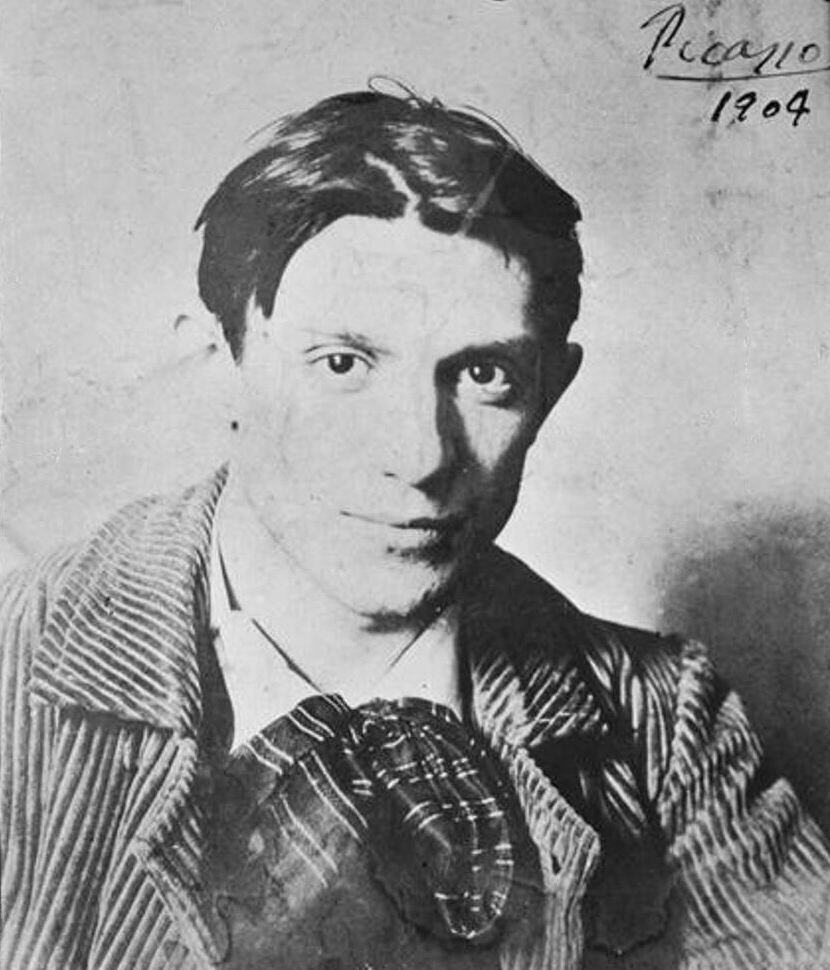
Picasso Ascends – After 2 Masses
{said for him & Farah Fawcett jointly}
Time Incarcerated in Purgatory: 52 years, 7 months, 19 days approx.
Died April 8, 1973, Ascended Nov 27, 2025
At first I did not know who I was talking to. A man approaches me as if there’s a beach to the far right – hundreds of yards away {so it can’t be Purgatory as this is open – Purgatory never has an open sky}.
He stands speaking to me wearing an interesting coat. Reminds me of Joseph’s ‘coat of many colors.’ It’s a robe that goes to the knees in vertical stripes of various colors – some darker, some lighter – I recall red.
We are talking abut artists. Who is the most famous? I think of a few, I think of Picasso. I say yes, he became the most famous in the world.
That satisfies him – yes, he agrees. – That is what he wanted to hear.
*{He wanted me to know who he was – identify him. Look at the picture of him on the beach holding a large umbrella with a female in front – it was sort of like that only no female, no umbrella, just the beach}*



Scene 2 – Cart & Boulders
Now I see a wagon or cart. It’s constructed of lightweight flat strips of medium brown vegetative matter – about 2” across, woven into a large square thingy, to be pulled by a person or animal {I don’t see who pulls it.} It’s hard to tell if this is a cart or a wagon. Inside this vehicle are BOULDERS {which weigh 300 or so lbs each}. Some are off-white, others different earth colors. {End}
MEANING:
*{I SENSE the boulders are his huge SINS. They are BIG – they are HEAVY – they are SERIOUS. The material the cart is made of will NEVER HOLD these boulders on a trip; The material cited is for lightweight stuff – very light, like paper products. The boulders are his SINS –the cart is his body or person which cannot hold such weight – the cart is WEAK – HE WAS WEAK. Weak people HURT OTHERS – they commit sins, big ones. Saints no the other hand, have HEROIC VIRTUE – they are heroes. This man was a VILLAIN. He said,
Pablo Picasso said, “Women are machines for suffering“. He made this statement to his mistress Françoise Gilot in 1943.
A man with this attitude will spend more than 52 years in Purgatory.}*
Scene 3 – the watermelons
I see two full size watermelons side by side – lying on something, not the ground, higher than that, maybe a table of sorts. The one to the right I can see its underside {like it tilted a bit}, & it has obviousy laid there a long time. We used to grow watermelons & sometimes, if they aren’t moved, they develop on the side where they lie, no color, it’s like no color or design like the rest of the melon, just a plain light green & near it even a patch of light yellow. {End}
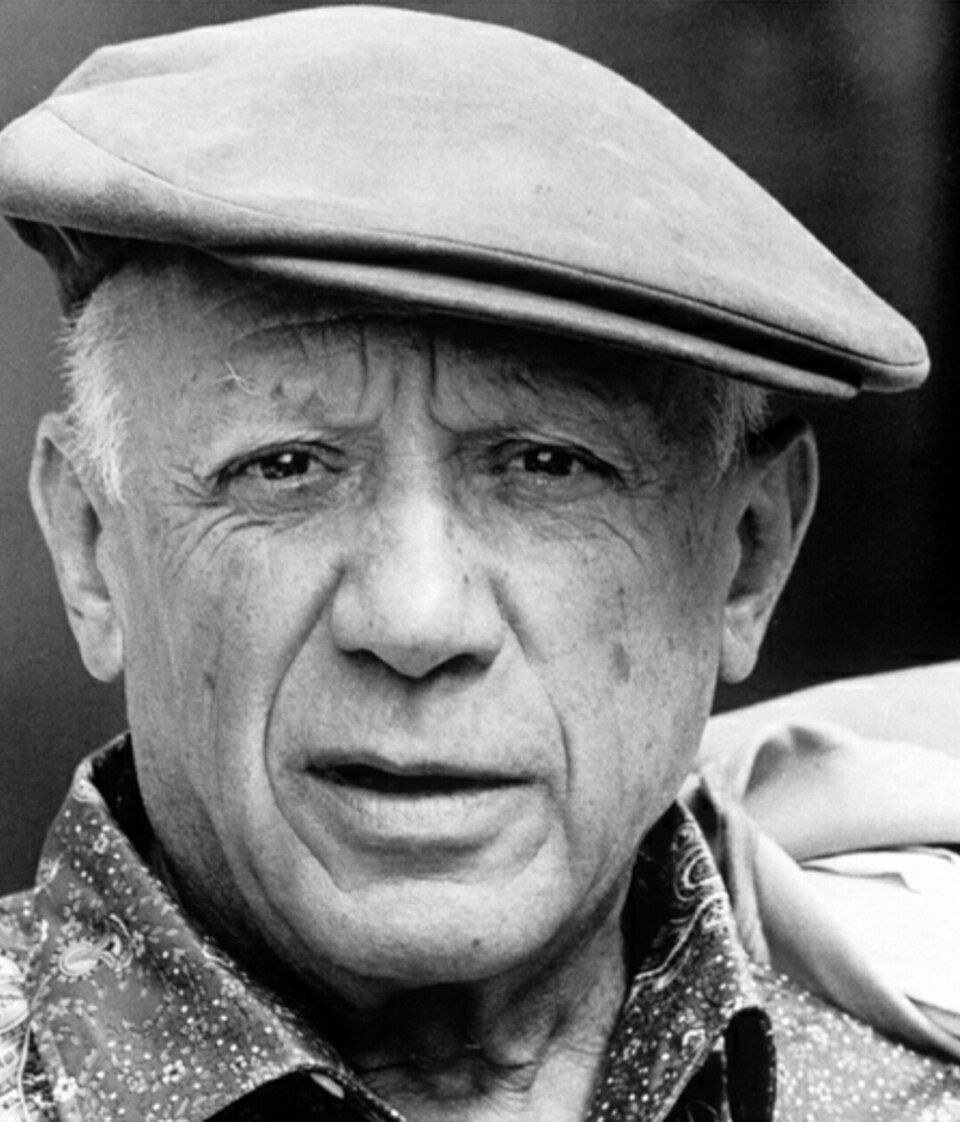
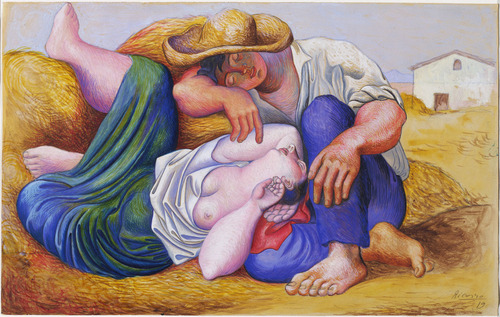


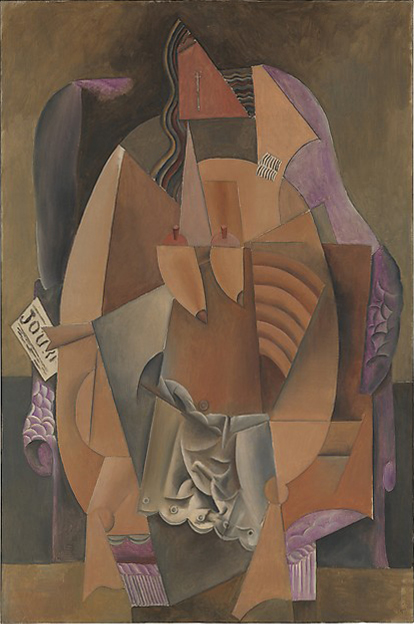
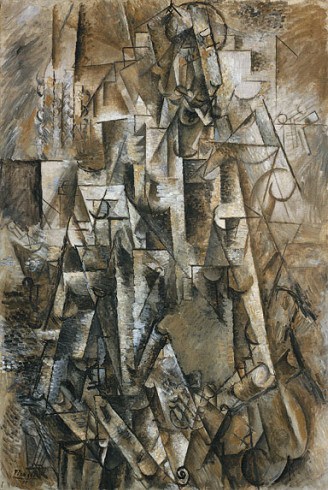
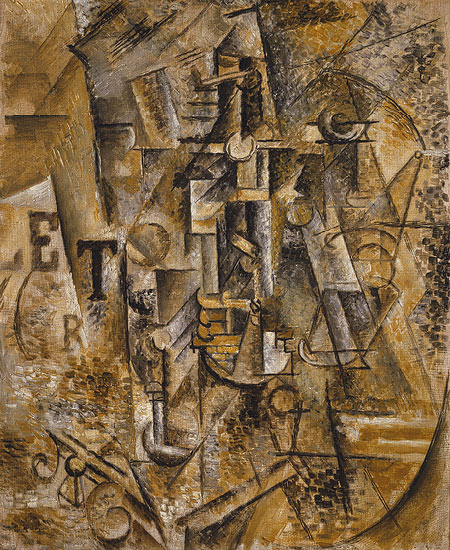
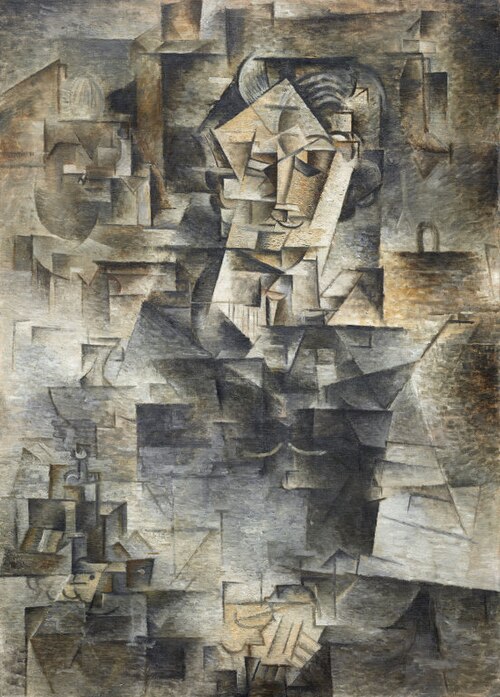
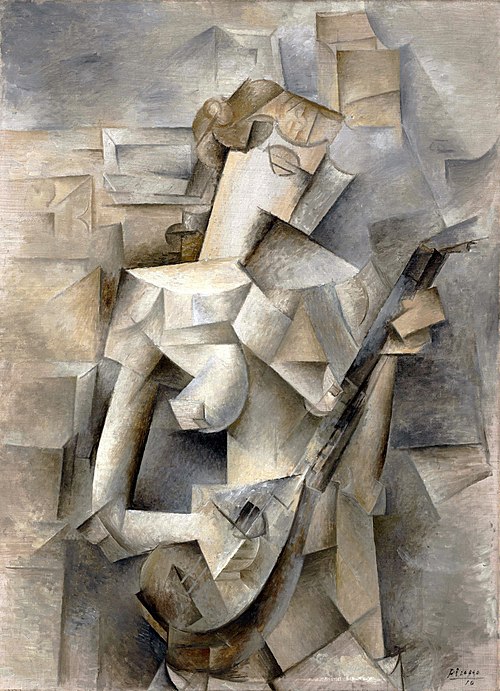
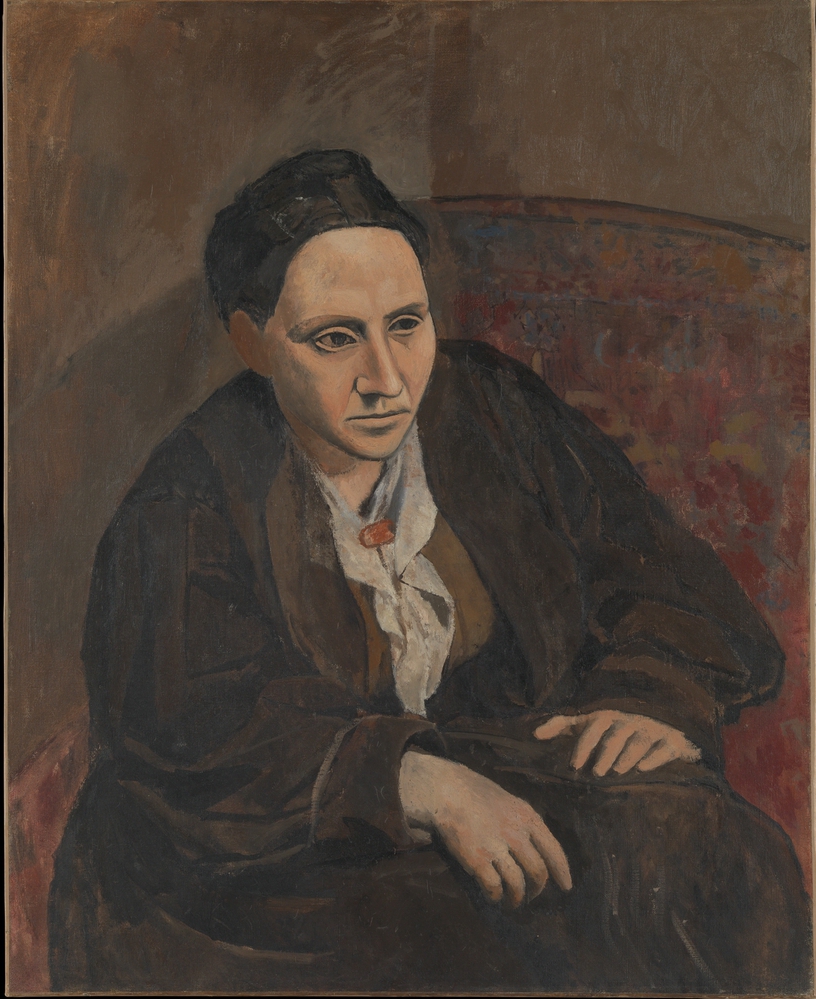
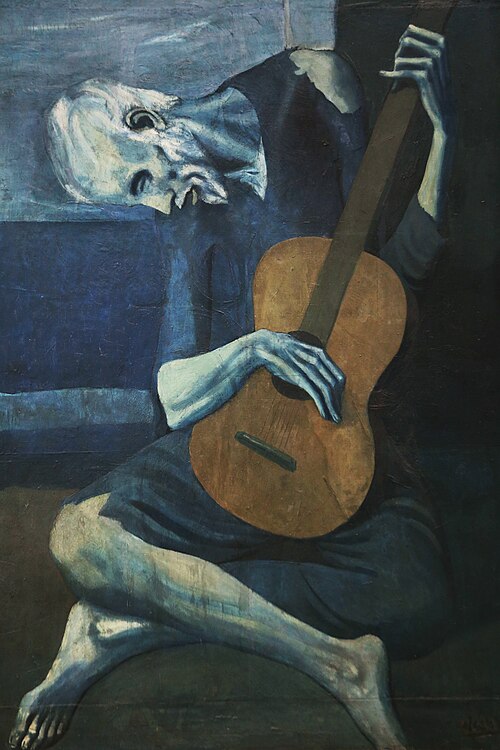
Pablo Picasso [1881 – 1973]
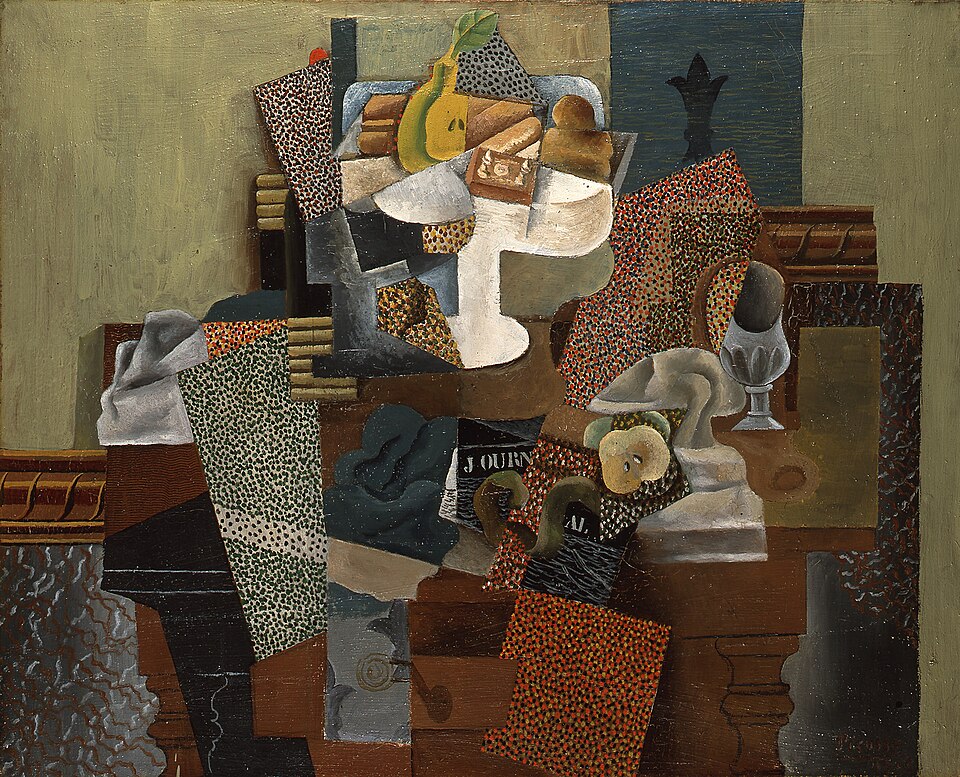
Blattmaß 66,0 x 50,8 cm
Person: Pablo Picasso [1881 – 1973], Spanischer Maler, Grafiker und Bildhauer
Systematik:
Personen / Künstler / Picasso / Werke / Museum Berggruen / Akte
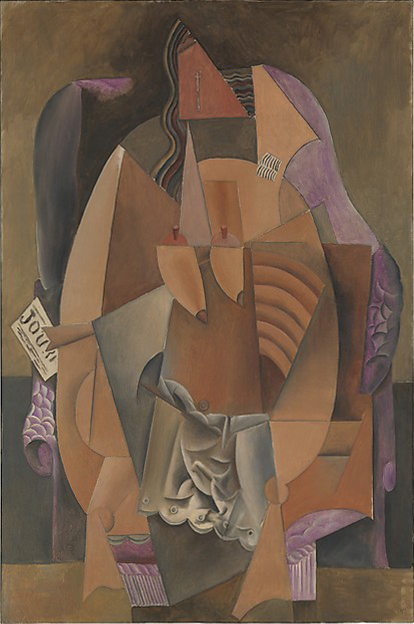

MEANING:
*{The two melons are Pablo & Farah Fawcett. I twice said Masses for both of them at the same time. {Also said prayers & rosaries for hours} They are entities pictured here, containing GRACE. Water is GRACE. As I celebrate the Holy Mass it fills them with Grace. One of them has been ‘sitting’ there a LONG TIME – Pablo. For Farah it’s over 16 years him over 52.}*
Man’s Open, Blissful Face
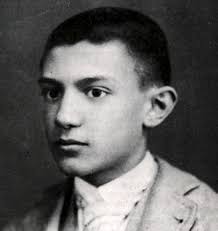
I see a young man, about 20, face completely smooth, very young. All I see is his face; he’s facing from my right to my left toward me looking to his right & UP. The expression is pure OPENNESS & BLISS. {End}
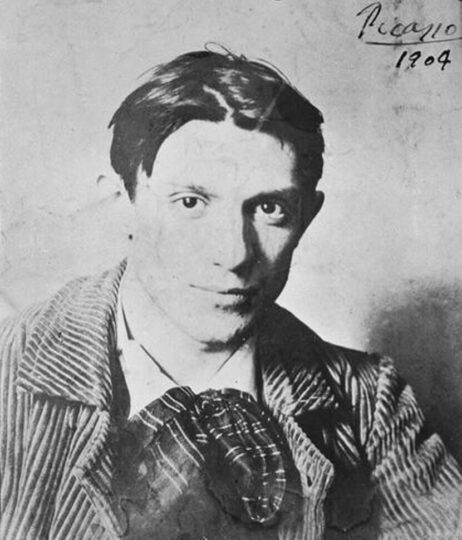
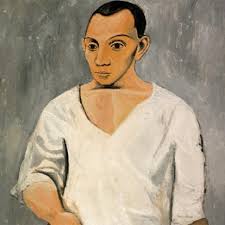
Below is how he looked only really blissed out
MEANING:
*{Without a doubt, he looks like Picasso very young. Even younger than 20 – his face sort of like a chipmunk. The smoothness, openness, is when we SEE GOD. Prior to the ‘Beatific Vision’ we are BLOCKED by our own negatives – when all these are removed or cleansed there we see God as we originally did – before sin, before the delusions of the earth – {what yogis call ‘Maya’ or illusion.} Now he sees REALITY – is OPEN to it & it brings joy, ecstasy or bliss.
And so, finally, Pablo Picasso has ASCENDED: Whoopee! Hurrah!}*
This is What is said About Him, Some of his Evil:
Picasso’s Abuse toward women
Evidence of Pablo Picasso’s cruelty and abuse toward women comes from biographical accounts, memoirs, and diaries of his lovers and family members, which describe a pattern of emotional manipulation, control, and misogyny.
Key Evidence of Abuse
- Controlling Behavior: Early in his life with Fernande Olivier, Picasso would lock her in their apartment to prevent her from modeling for other artists or going out without him, a pattern of behavior that would be considered domestic abuse today.
- Emotional and Psychological Manipulation: Françoise Gilot, the only woman who voluntarily left him, described his “total absence of empathy and love” and a pattern of “idealize, devalue and discard” in every relationship. He frequently pitted his various mistresses against each other; for instance, when Dora Maar and Marie-Thérèse Walter demanded he choose between them, he encouraged them to fight physically, later calling it one of his “choicest memories”.
- Verbal Abuse and Dehumanization: He famously stated that women were either “goddesses or doormats” or “machines made for suffering”. His art often reflected his contempt; for example, Dora Maar was forever known as the “weeping woman” in his paintings, a depiction of her anguish that she resented.
- Abandonment During Illness: When his partners became ill, he often lost interest and sought new, younger lovers. He abandoned his first wife, Olga Khokhlova, when her mental illness worsened and his mistress Eva Gouel when she fell ill.
- Impact on the Women’s Lives and Suicides: Many of the women in his life suffered severe psychological distress, nervous breakdowns, or depression. Two of his lovers, Marie-Thérèse Walter and his second wife Jacqueline Roque, died by suicide after his death. His granddaughter Marina Picasso wrote in her memoir that he “bled them dry” and then “disposed of them,” hinting that his abuse led two of his lovers to crippling depression.
- Predatory Nature: Picasso began a relationship with Marie-Thérèse Walter when she was 17 and he was married and 45 years old, hiding her away in a secret apartment. There are also accounts of him using a prepubescent girl as a nude model for preparatory sketches for his painting Les Demoiselles d’Avignon.
- Kidnapping Attempt: He once tried to abduct his mistress Irene Lagut with the help of a friend and held her captive in a house outside Paris, though she eventually escaped.
These accounts from those closest to him have led to a critical re-evaluation of his legacy in the #MeToo era, highlighting the “trail of female carnage” he left behind.
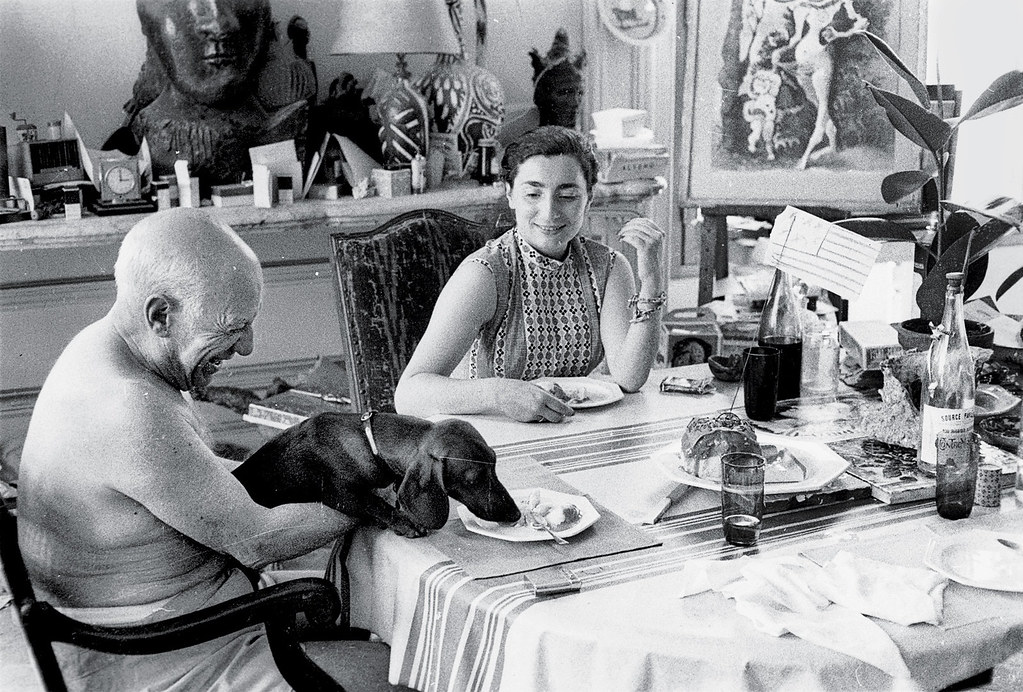
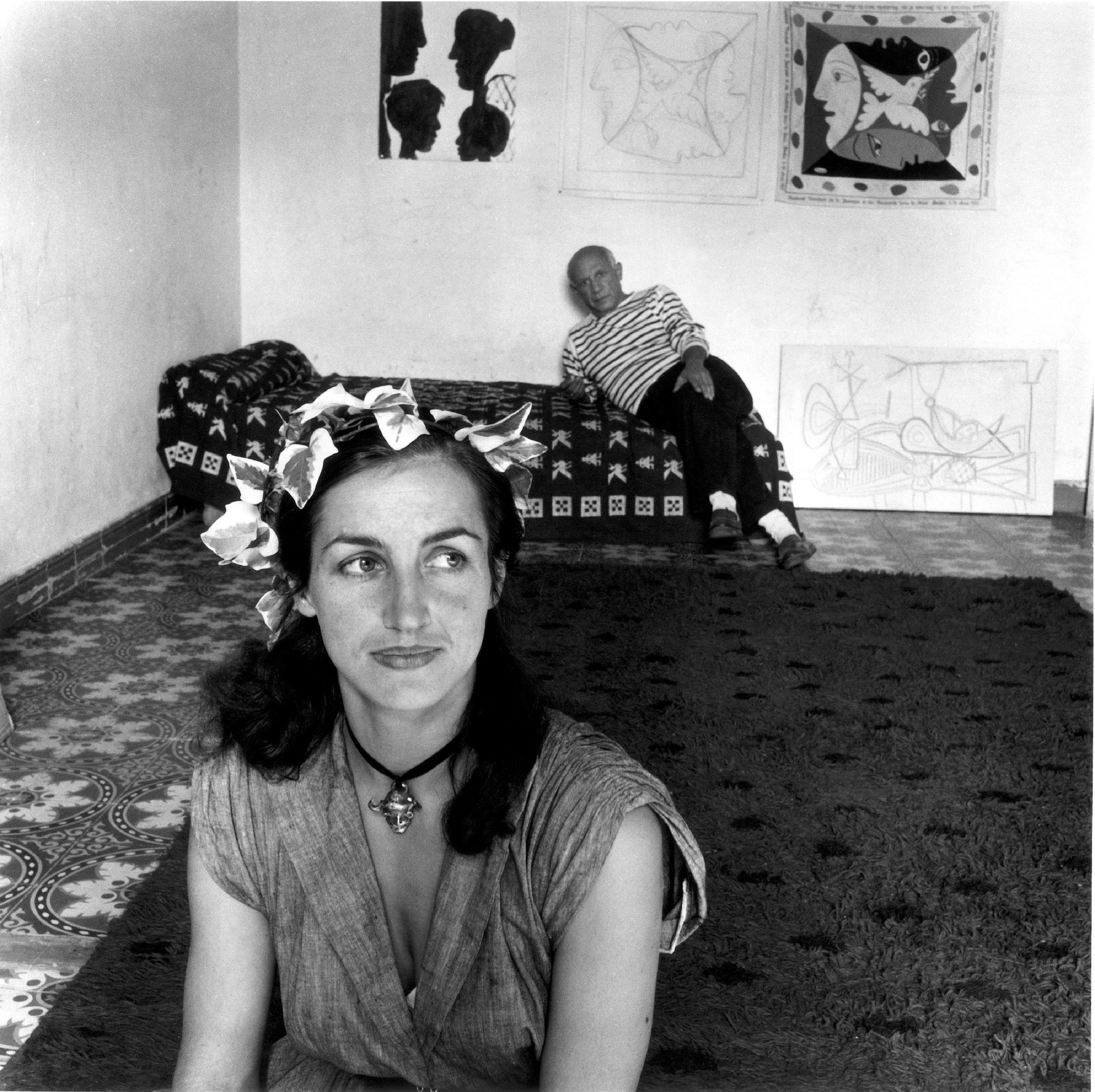
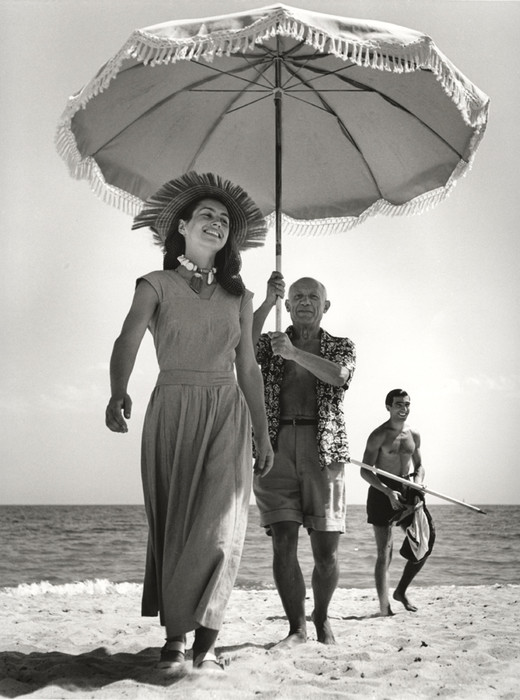
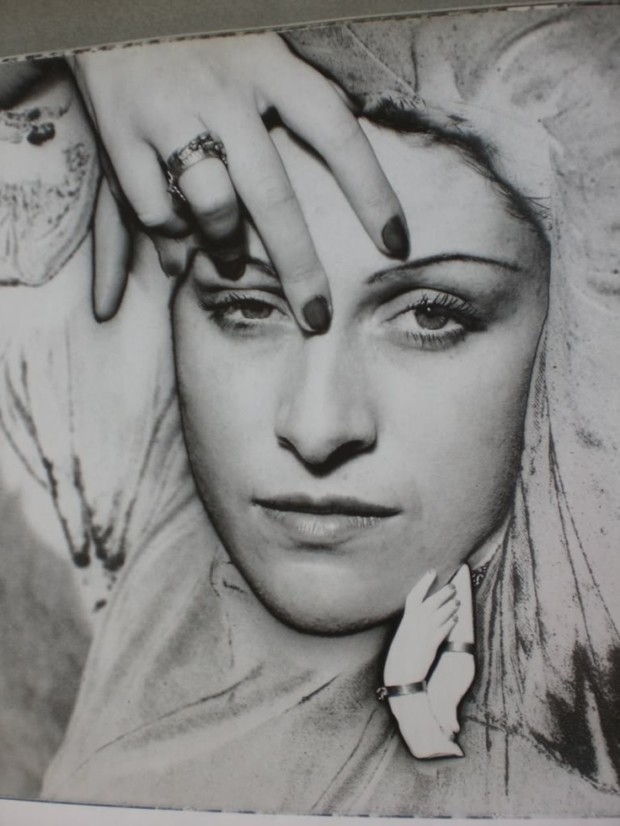
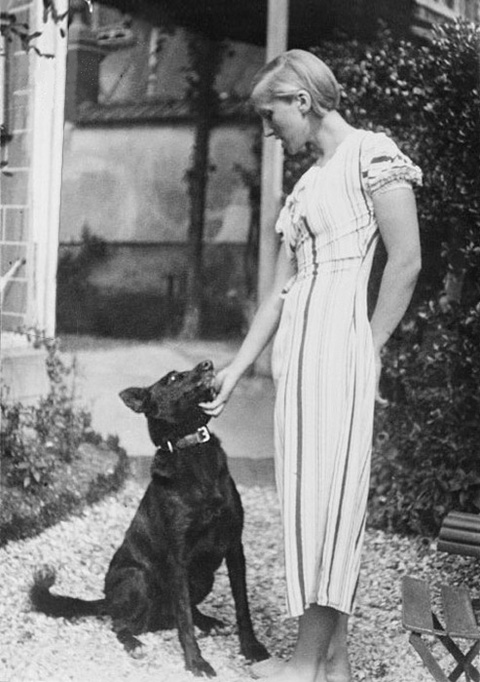
These accounts from those closest to him have led to a critical re-evaluation of his legacy in the #MeToo era, highlighting the “trail of female carnage” he left behind.
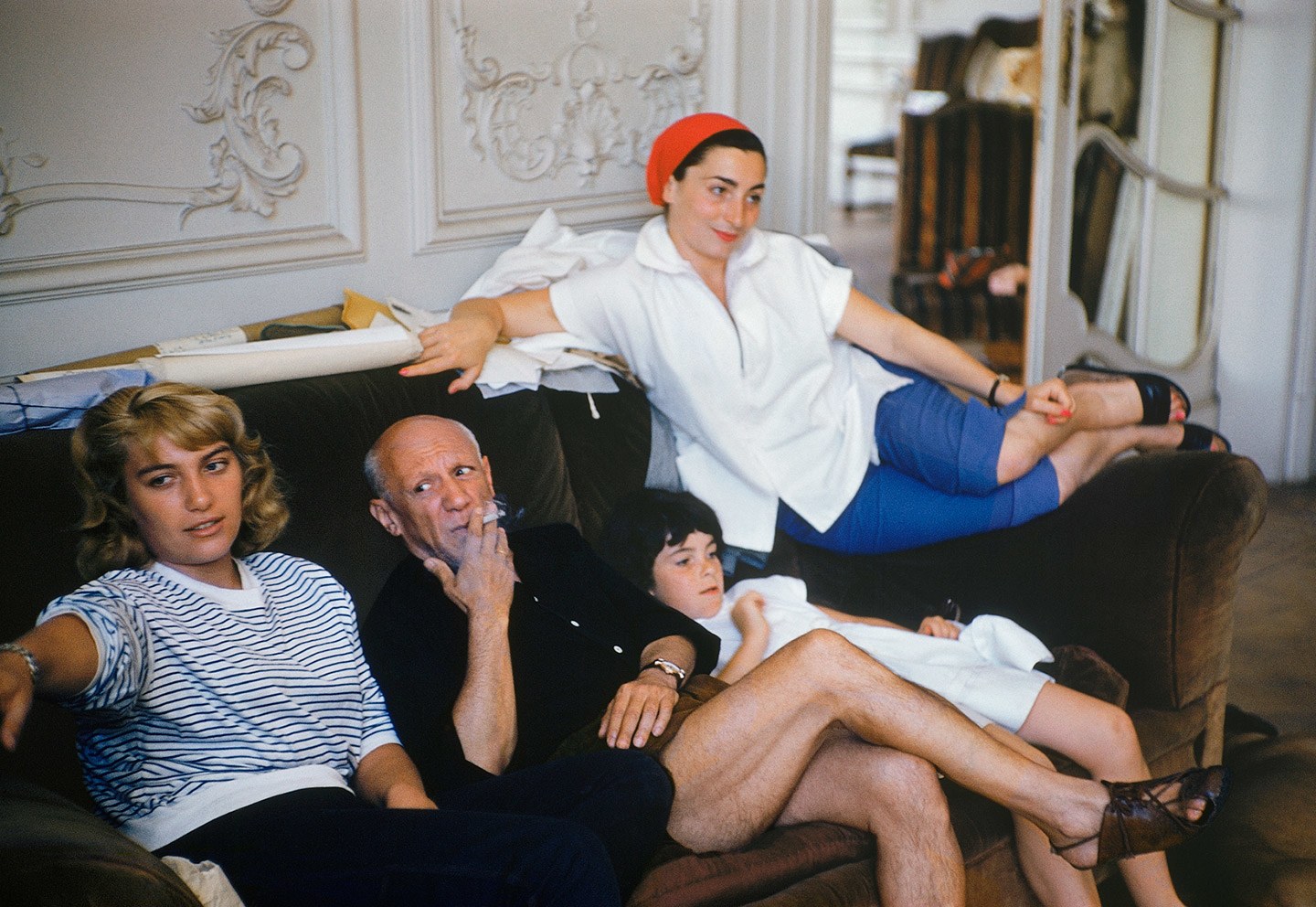
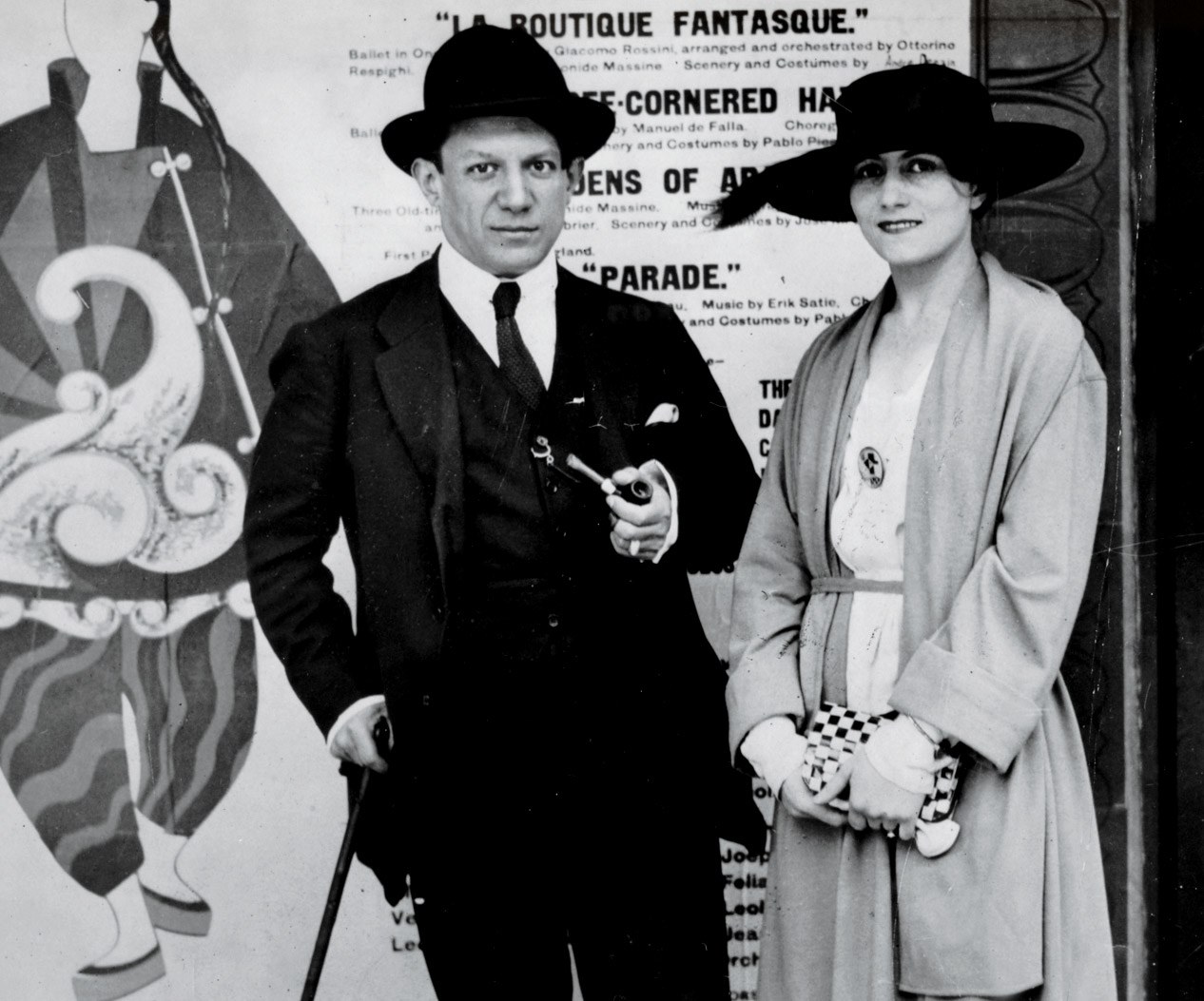
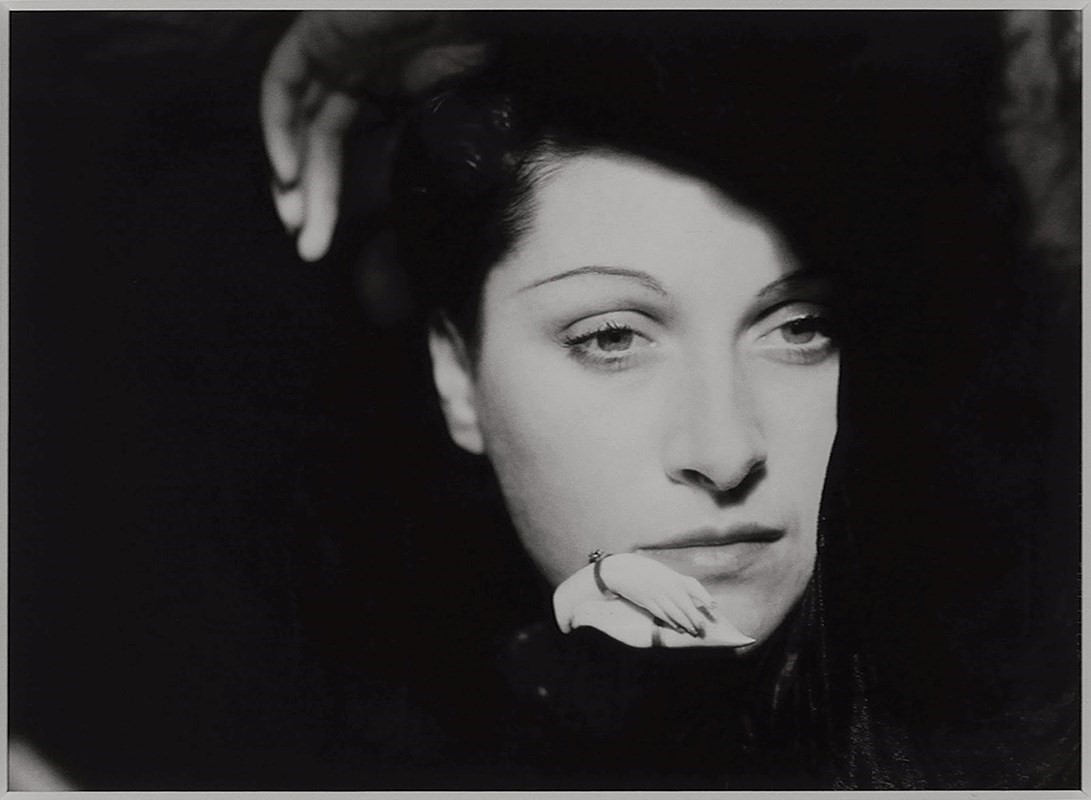
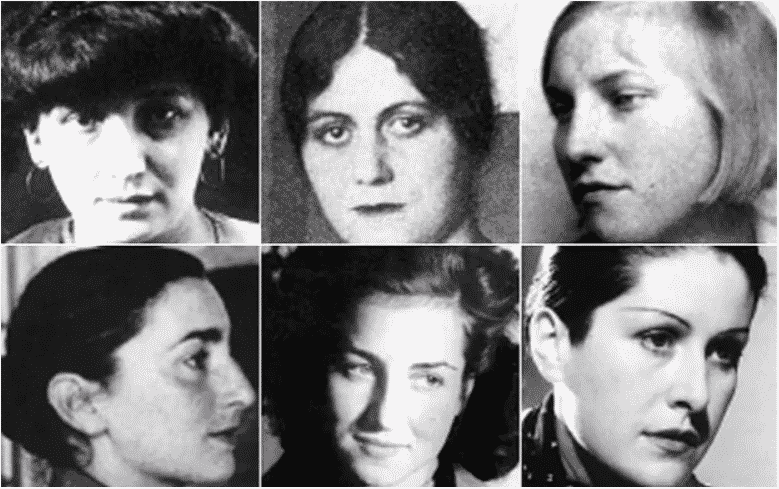
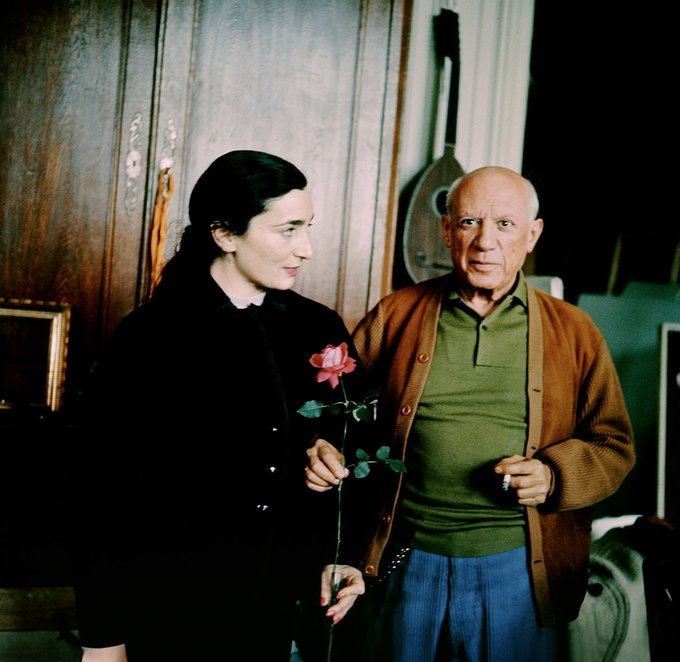
Pablo Picasso: Misogynistic Tyrant with a Talent
By Kay Miller on October 17, 2021
In the same way that he dominated the art world in the 20th century, he also dominated the women in his life. Maintaining several mistresses alongside his primary partner, Picasso is commonly characterised as a womaniser and misogynist. Between the time of moving to Paris in 1900 and his death, Picasso had married twice and had 4 children with 3 different women. Although these women served as muses, each inspiring various pieces of his art or entire periods, they were often discarded once Picasso became bored or uninspired by them. His granddaughter, Marina Picasso, described his misogynistic behaviour in her memoir, Picasso: My Grandfather. “He submitted them to his animal sexuality, tamed them, bewitched them, ingested them, and crushed them onto his canvas. After he had spent many nights extracting their essence […] he would dispose of them.” Marina Picasso’s memoir is a scathing attack on her grandfather and his values; more importantly, the memoir gives a voice to the women who inspired the artist, yet are so rarely acknowledged for their influence.
Picasso’s finest work was primarily influenced by the many women in his life. His impact on them, however, was far from positive. Olga Khokhlova, a famous Russian ballet dancer and Picasso’s first wife, and his long-term mistress Dora Maar, a highly regarded photographer, were very independent women. In spite of their independence, both women succumbed to nervous breakdowns after each having spent numerous years with Picasso. Picasso’s abuse caused further harm. Marie-Thèrése Walter, a mistress, and Jacqueline Roque, his second wife, both tragically died by suicide. Picasso’s abusive and destructive behaviour did not only affect the women in his life, but also his children and grandchildren.
In 1943, Picasso began dating French painter Françoise Gilot, and in the 10 years they were together they had 2 children, Claude and Paloma. 11 years after the end of their relationship, with the help of art critic Carlton Lake, Gilot wrote the memoir, Life with Picasso. Picasso attempted to stop the publication of the memoir without success, and it went on to sell over 1 million copies. After the publication, Picasso cut off all contact with Claude and Paloma. As a result, the profit from the book went towards making a case for Claude and Paloma to become Picasso’s legal heirs — a case in which only Marina Picasso profited.
Separating Picasso’s personal life from his prolific career is futile. Pablo Picasso’s extraordinary artistic talent is undeniable. But the deplorable treatment of the women in his life is also undeniable. That being the case, if we are to continue to hold his work in high regard, we must recognise the suffering of the women that gave rise to Picasso’s artistic greatness.
I channel Picasso {speak with him}
RASA: So it seems you were a bad person. Describe, explain to me why & how you were bad.
PP: I was SELFISH. What made me selfish? I was WEAK. I could not stand suffering, therefore I took out my pains, anxieties, fears & frustrations on the women – those who loved me the most.
RASA: What bothers me is two of them had nervous breakdowns, two committed suicide later on. What kind of evil did you put on them to make this happen? I mean they were not weaklings if they loved – love is spiritual strength. What specifically did you do that was so destructive, what TYPE of behavior?
PP: it was a turn around change-o presto that I did that caused them to lose it. First, I made them feel important – important to me so I could use them up. I did this to get the energy out of them to make it flow toward me. In other words, make someone love me. A con job. Then I took what they had – emotionally – mentally, physically, spiritually – until there was nothing left to additionally stimulate me. And then I discarded them. How did this make them feel? Like fools. Firt, they were important & they gave me all. Then they were worthless & useless.
RASA: Yes but why did they fall for this? OK I can understand they felt important for a while, but when you got done with them, weren’t there other things, other people, other ideas, like Almighty God, that could sustain them? So Picasso did me in, he fooled me. But he isn’t the be-all of life – there is much more to life than Pablo Picasso. Why could they not turn elsewhere for meaning & sustenance?
PP: Because they were young & foolish – I did not court mature women my own age; they were naïve, gullible, younger ones who’d not been aroud the block, so they could not cushion themselves against the pain. It was like falling off a cliff. They saw me as the end all & be-all of their lives – my fame & fortune – everyone around looked at me as some sort of God. So if this God drops you, you are lost. Where do you go to replace a God?
RASA: And you never felt sorrow or regret during your lifetime when you saw how they fared?
PP: I was so selfish & egotistical I felt that it was a testament to my greatness that they went downhill, that they suffered when I dropped them. During my lifetime I never had any empathy, caring or sorrow for the sufferings of others. It was all about me, my career, my fame & fortune – that was all I lived for. But I did pay for it in eternity, didn’t I.
RASA: How do you see yourself now looking back & at those you hurt?
PP: I was a fool. I could have lived a decent life, treated others properly still had a career. But I went to extremes. I had to be the most famous in the world. And as for them, it’s a tragedy how hurt they were – there’s no excuse for what I did & for what people like me do.
RASA: Speaking of your career yes you made it to be possibly the most famous artist in the word. But that doesn’t mean you were the most talented, were you? It’s debatable who has been. Your fame was great promotion. Talented yes but the most talented – no. I go for Michelangelo if I had to pick one – or Leonardo DaVinci – Rembrandt – Turner seascapes – hundreds of other greats. I see you as a beacon of clever promotion, to be honest.
PP: Indeed you are so right. It was all clever promotion. I worked at it every day of my life Where did my scribblings get me? Into this prison of misery almost 53 years. Was it worth it? Not at all. If I had to live my life over for what I know now I would not hurt anyone. You can’t take it with you. The only thing meaningful is the love we give to others. I was a fool. Tell the word that they can have my paintings & art – all dust. I missed the Love Boat, that was what was important.
RASA: OK Pablo, thanks for the truth. All’s well that ends well. Let’s work to get others to shorten their purgatories or skip them completely, by repentance & paying for our sins on earth.
PP: You said it all – that’s what counts. {End}
11-24-25 Man Asks Me for Help – This is Pablo Picasso appearing anonymously!
I was in a building, extended, & before me was a partition like you’d see in a bank or a large Post Office, with divisions in parts & widows & screens a few feet up. One partition had bars – just a small window.
A man behind it, who seemed busy working, spoke to me. He asked me for $1.60. I looked where I had money – it was under a couple pieces of pizza. I pulled out one dollar bill, then two fives, then something else, then some change. I did not have the exact amount he wanted. But I thought hey, I have two singles so I’ll give him that. {End}
MEANING:
*{Purgatory 101 – inside – no sky – & the BARS between him & me, that means restriction or prison. Purgatory is a sort of prison – you certainly can’t get out of it until the conditions are right.
Now PIZZA including usually any kind of BREAD – to me represents the Blessed Sacrament. This man is asking me for the Eucharist. And I am planning to celebrate it.
You will see in the dream of 11-27-25 I did only TWO MASSES for this man {along with Farah Fawcett – He turned out to be Pablo Picasso! – & he Ascended! The dollar sixty could refer to he needed LESS than 2 Masses – as mabye when I did the Masses for her & him, he doesn’t get the full benefit. But it was all that was necessary – the value of a bit more than one & a half Mass.}*